Cut Resistant Sleeves for Security Officers
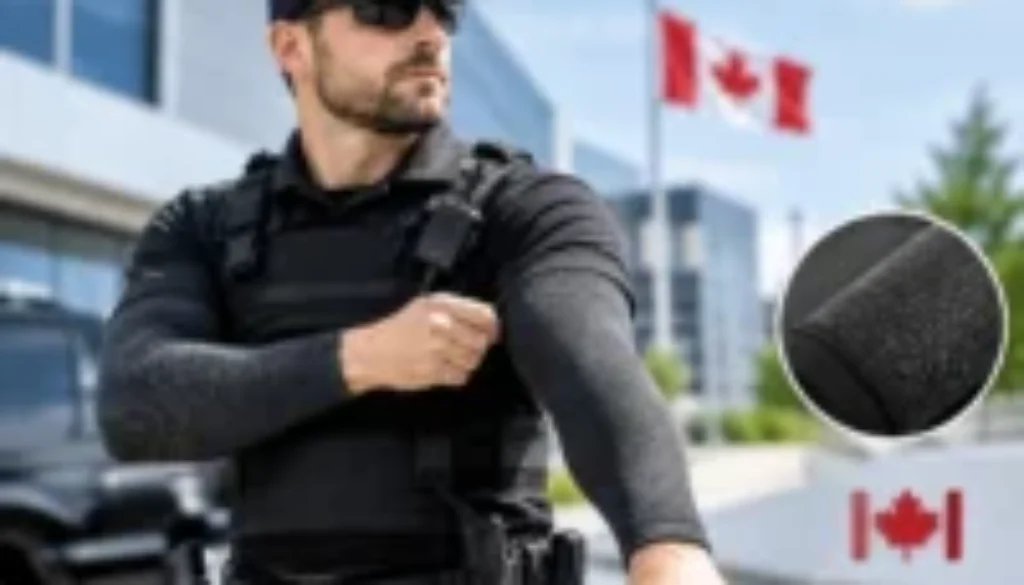
A forearm grab during a restraint, a broken bottle during venue ejection, or exposed sheet metal at a secured facility can turn routine duty into a laceration risk. The right cut resistant sleeves for security personnel provide a practical layer of protection where uniform shirts, soft armor carriers, and gloves leave the arms exposed. They are not a substitute for sound tactics or protective vests. They are a purpose-built response to a specific and common injury pathway.
For patrol, event, corrections, loss-prevention, and executive-protection teams, the decision is less about finding the highest number on a product label and more about matching the sleeve to the actual threat, shift length, and operating environment.
Cut Resistant Sleeves for Security: Define the Threat
A cut-resistant sleeve is designed to reduce the likelihood or severity of injury from contact with a sharp edge. That can include glass, metal, blades, wire, and edged debris. The sleeve’s fibers resist being severed as an edge moves across the material.
This does not mean that every sleeve stops a deliberate knife thrust. Cut resistance, puncture resistance, and stab resistance are separate performance characteristics. A sharp point can concentrate force into a small area, particularly during a committed attack. If personnel face credible edged-weapon assaults, select equipment specifically tested for stab or puncture threats and build that protection into the wider duty setup.
Security managers should also avoid treating a sleeve rating as a guarantee of injury prevention. Angle of contact, force, blade condition, sleeve fit, and whether the material is taut all affect real-world performance. Ratings support procurement decisions, but they do not replace training, distance management, communications, or control techniques.
Understand the Cut Rating Before You Buy
In the United States, cut-resistant materials are commonly described under the ANSI/ISEA 105 cut scale. The scale runs from A1 through A9, with higher levels indicating greater resistance to a standardized cutting test. A higher rating can be appropriate for evidence handling, industrial perimeter work, or assignments with repeated contact against sharp materials. It can also add weight, warmth, stiffness, and bulk.
For many security assignments, a moderate-to-high cut rating is the practical balance. Officers need to operate radios, manipulate restraints, handle identification, write reports, and maintain a professional appearance. An extremely heavy sleeve that is removed after the first hour offers less protection than a comfortable sleeve worn consistently.
Some products may also reference EN 388 testing. That standard reports several mechanical-protection results, including a cut-test value. Do not compare an EN 388 marking directly with an ANSI level without reviewing the manufacturer’s test data and the testing method used. Procurement should request clear specifications rather than relying on broad language such as “knife proof” or “slash proof.” Those terms can overstate what a sleeve is designed to do.
Match protection to the assignment
A security officer working public-facing events may prioritize low-profile sleeves that can be worn under a uniform shirt and remain comfortable through long periods of standing. A corrections or transport team may require more durable coverage that stays in place during physical control situations. Teams securing construction, utility, scrap, or warehouse environments may need greater abrasion resistance alongside cut protection.
The assignment determines the answer. A single sleeve model is rarely the best choice for every post.
Coverage and Fit Are Operational Requirements
A sleeve that leaves a gap at the wrist or slides down during a struggle has a predictable weakness. Measure the arm from the wrist to the desired point on the upper arm, then compare that measurement with the manufacturer’s sizing chart. Longer sleeves provide more coverage, but they must not bind at the elbow or interfere with shirts, outer carriers, gloves, or watches.
A thumbhole can help keep the sleeve aligned under a glove. It is useful for posts involving frequent movement or searches, although some officers may find it restrictive when repeatedly removing gloves or handling equipment. A bicep band, silicone grip, or adjustable upper retention system can reduce migration. Test retention while reaching overhead, extending the arm, applying handcuffs, and drawing authorized duty equipment.
Fit should be secure without constricting circulation. Compression that causes numbness, excessive heat, or fatigue will lead to noncompliance. For agencies issuing sleeves, field trials across different body types are more valuable than approving a sample based only on a desk review.
Material Choice Changes Wearability
Modern cut-resistant sleeves may use high-performance polyethylene, aramid fibers, steel or glass reinforcement, or blended yarns. The material mix influences not only the protection level but also comfort and care requirements.
High-performance polyethylene blends are often light and comfortable against the skin, making them suitable for extended wear. Aramid-based materials handle heat well but may feel different in a humid environment. Sleeves with steel or glass reinforcement can deliver high cut resistance, but they may be less flexible and may require more careful laundering.
Consider the uniform system as a whole. A sleeve worn beneath a dark long-sleeve shirt has different thermal demands than a sleeve worn visibly with a short-sleeve polo. For plainclothes teams, low-profile color and reduced bulk may matter as much as the stated rating. For overt operations, visibility and clear issue-control procedures may be preferable.
Build Sleeves Into a Complete Protective System
Cut-resistant sleeves work best when selected alongside gloves and upper-body protection. Gloves protect the hands, while sleeves cover the lower and upper arms. Neither normally protects the neck, torso, or areas left exposed during movement. A ballistic vest is designed for its rated ballistic threat, not necessarily for edged-weapon contact, unless it includes tested stab or spike protection.
Before issuing equipment, establish a simple wear policy. Define which assignments require sleeves, whether they are worn under or over the uniform, the glove interface, inspection expectations, and when damaged equipment is removed from service. This prevents the common failure of purchasing protective equipment without making it part of routine operations.
For teams evaluating several options, assess these four areas during a controlled trial:
- Verified ANSI/ISEA 105 or other clearly identified test performance
- Coverage from glove line to the required upper-arm position
- Retention during movement, restraint practice, and equipment handling
- Comfort after a full realistic duty period, including heat and moisture management
Document results from the personnel who will wear the product. Supervisors should not assume that a sleeve accepted for fixed-post security will work equally well for mobile patrol or high-contact assignments.
Inspection, Cleaning, and Replacement
Cut-resistant fibers can lose performance when sleeves are cut, abraded, contaminated, or repeatedly exposed to conditions outside the manufacturer’s care instructions. Inspect sleeves before duty for tears, thinning areas, damaged seams, loose elastic, or fibers that have become visibly worn. A sleeve with compromised fabric should be removed from service rather than saved as a backup.
Cleaning matters as well. Dirt, bodily fluids, oils, and chemical residues can affect comfort and may degrade materials over time. Follow the stated wash, drying, and storage directions. Avoid assuming that all sleeves tolerate bleach, high heat, or industrial laundering. If the organization assigns sleeves, keep a replacement schedule and a record of issue dates, especially for equipment used in frequent physical-contact roles.
CANARMOR approaches protective equipment as an operational commitment: verify the protection claim, confirm the fit, and issue equipment personnel will actually wear. For cut-resistant sleeves, that discipline protects more than the forearm. It supports readiness, confidence, and a safer response when a routine contact becomes unpredictable.
The most useful sleeve is the one that matches the threat, stays in position, and remains part of the uniform every shift. Start with a realistic assessment of where sharp-edge exposure occurs, then test the selected sleeve under the movements your personnel perform when the stakes are real.