Are Bulletproof Vests Legal in the United States?
A body armor purchase should begin with the law, not the product page. Are bulletproof vests legal in the United States? For most law-abiding adults, yes. Civilian ownership of ballistic vests and armor plates is generally legal under federal law. But that general answer has meaningful limits involving certain criminal convictions, state laws, how armor is purchased or transferred, and how it is used.
For security professionals, first responders, and responsible civilian buyers, the practical standard is simple: buy lawfully, verify local requirements, and never treat body armor as permission to act outside the law. Armor is protective equipment. It does not create authority, replace training, or change restrictions on weapons, trespass, impersonation, or criminal conduct.
Are Bulletproof Vests Legal Under Federal Law?
Federal law generally permits civilians to buy, own, and wear body armor. There is no nationwide permit, registration requirement, or federal background check required solely to purchase a ballistic vest or armor plate.
The key federal restriction applies to people convicted of a felony that is classified as a crime of violence. Under 18 U.S.C. § 931, such individuals are prohibited from purchasing, owning, or possessing body armor. The statute defines body armor as personal protective body covering sold or offered for sale as protection against gunfire.
That distinction matters. A felony conviction does not automatically mean every person is barred under this specific federal body-armor statute. The underlying offense and its legal classification matter. This is not an area for assumptions. Anyone with a criminal record, pending charges, probation conditions, parole conditions, or a protective order should obtain qualified legal advice before attempting to purchase or possess armor.
Federal law provides a limited work-related exception in certain circumstances when body armor is necessary for lawful employment and the employer provides the required written certification. That is a narrow exception, not a general workaround. A person who may be prohibited should not rely on an employer’s verbal approval or a seller’s interpretation of their status.
State and Local Rules Can Be More Restrictive
Federal law is only the first checkpoint. States and, in some cases, local jurisdictions can impose additional body armor restrictions. These rules may regulate who can purchase or possess a vest, how a transaction must occur, or where armor may be worn.
New York, for example, has special restrictions on the sale and purchase of body vests and limits eligibility to certain professional categories and other qualified buyers. Other states may impose enhanced penalties when body armor is used while committing a crime or may restrict possession by people with particular convictions.
Because regulations change, buyers should verify the current rules where they live and where the equipment will be used. That review is especially important before an online order, interstate travel, private resale, or agency purchase involving multiple personnel.
A practical legal check should cover four areas:
- Your eligibility under federal law, including any conviction or court-ordered restriction.
- The laws of your home state and city.
- The laws of any state where you will work, travel, or carry the armor.
- Any employer, agency, contract, court, or facility rule that applies to your role.
A lawful purchase in one state does not guarantee that every transaction method or intended use is lawful somewhere else. When the consequences matter, confirm the rule with a licensed attorney or the appropriate state authority.
Buying Armor Legally: What Civilian Buyers Should Expect
In much of the United States, a lawful adult can purchase a ballistic vest, soft armor panels, a plate carrier, or hard armor plates directly from a reputable seller. A seller may still decline an order, request identification, restrict shipping locations, or require an eligibility certification. Those safeguards help protect both the buyer and the supplier.
Buyers should expect responsible vendors to take compliance seriously. The strongest purchasing process is not merely about getting equipment quickly. It is about confirming that the buyer can lawfully receive it, selecting armor that matches the risk, and documenting the product’s rating and care requirements.
Be careful with casual private sales, used gear, and marketplace listings. Used soft armor may have an unknown service history, hidden damage, improper storage, or expired manufacturer support. A vest exposed to heat, moisture, ultraviolet light, chemicals, or repeated rough handling may not perform as expected. A lawful transaction is only one part of responsible ownership. The equipment itself must remain serviceable.
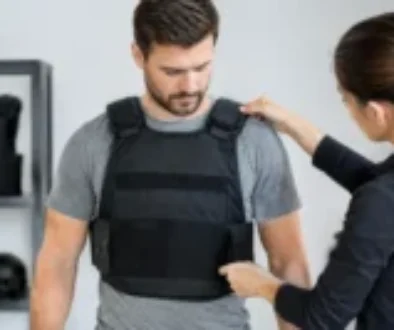
For a first-time buyer, fit also deserves the same attention as legal compliance. A vest that leaves critical areas uncovered, shifts during movement, or cannot be worn consistently may provide less real-world protection than its label suggests. Measure carefully, follow the manufacturer’s sizing instructions, and understand whether you need covert soft armor, an overt carrier, rifle-rated plates, or a combination of systems.
Wearing Body Armor Is Not the Same as Having Authority
In most places, wearing a bulletproof vest in public is not inherently illegal. Private security professionals, emergency personnel, reporters in high-risk areas, and civilians concerned about personal safety may have legitimate reasons to wear protective equipment.
Context changes the legal and practical analysis. Courthouses, government buildings, schools, secured workplaces, correctional facilities, airports, and private venues may have rules that prohibit or limit body armor. A property owner can also set conditions for entry. Wearing a tactical-looking plate carrier into a sensitive public setting may draw attention from security personnel even when possession is lawful.
Never wear armor in a way that suggests you are law enforcement, military personnel, or another official authority when you are not. Badges, agency markings, police-style identifiers, emergency lights, and deceptive uniforms can create serious legal exposure. Protective equipment should be configured for its lawful purpose, whether that is occupational duty, training, range use, or personal protection.
Armor also becomes an aggravating factor when connected to a crime. Many jurisdictions impose harsher penalties when a person wears or uses body armor during the commission of certain offenses. The vest itself is not the problem. Criminal conduct is. No ballistic rating, carrier design, or lawful purchase can shield someone from the consequences of unlawful behavior.
Choose Protection by Threat Level, Not by Appearance
The phrase “bulletproof vest” is common, but it can be misleading. No wearable armor is invulnerable to every projectile, impact, angle, or circumstance. Ballistic protection is rated against specified test threats under controlled conditions. The correct question is not whether a vest is bulletproof. It is what threats the armor is designed and tested to defeat.
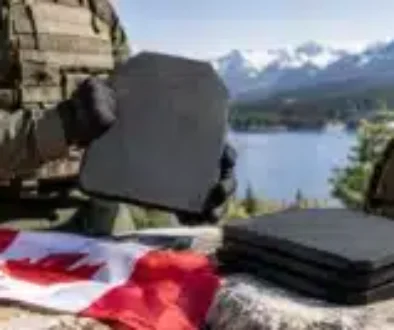
Soft armor such as NIJ III-A is commonly selected for handgun-threat protection and may suit concealed daily wear, executive protection, patrol work, and many security roles. Hard rifle plates are designed for higher-threat environments and are typically used in plate carriers. Current NIJ classifications and product test documentation should be reviewed carefully, particularly for professional procurement or duty use.
Higher protection usually brings trade-offs in weight, thickness, mobility, heat management, and cost. A security officer standing for a full shift may need a different configuration than a tactical team member entering a rifle-threat environment. A civilian who needs discreet protection may prioritize low profile and coverage over the maximum rifle rating.
CANARMOR recommends approaching armor selection as an operational decision: identify the credible threat, required wear time, mobility demands, environment, and applicable policy before choosing a protection level. Certifications, published test data, proper sizing, and clear care instructions matter more than aggressive marketing language.
Questions to Resolve Before You Order
Before purchasing, confirm that you are legally eligible to possess body armor where you live. Then determine where it will be used, whether your workplace requires a particular rating or carrier style, and whether the product has credible ballistic documentation. If you are buying for an organization, establish a written issue, inspection, storage, and replacement policy.
Ask whether the armor is designed for handgun threats, rifle threats, edged threats, or a combination of risks. Verify the coverage area, plate cut, weight, warranty, and recommended service life. For soft armor, understand how to remove and inspect panels and how to clean the carrier without damaging the ballistic material.
The right vest is the one that is lawful for you to own, rated for the threat you may actually face, and fitted well enough that you will wear it when it counts. If there is any uncertainty about your legal eligibility, resolve that question before the order is placed.