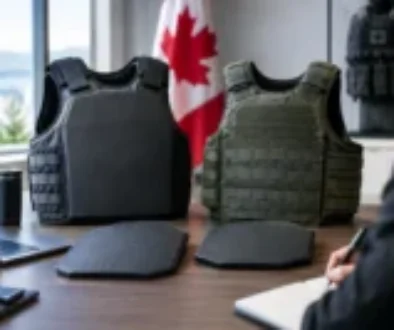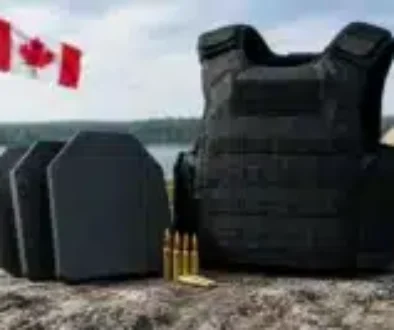

Choosing Rifle Armor Plates for Real-World Use
A rifle threat changes the protection decision immediately. Rifle armor plates are built for a different level of impact than soft body armor, but the right plate is not simply the heaviest or highest-rated option available. It must match the threats you may realistically face, fit your body and carrier correctly, and remain wearable through the length of your assignment, shift, or emergency.
For law enforcement, security teams, military personnel, first responders, and qualified civilian buyers, the purchasing standard should be clear: choose documented ballistic performance first, then make disciplined decisions about material, coverage, weight, and configuration. A plate that looks capable but lacks clear rating information, test documentation, or proper fit is not an operationally sound choice.
Start With the Rifle Threat Rating
The label on a ballistic plate is not marketing language. It is the foundation of the protection decision. Review the stated standard, the protection level, the test information, and the exact model designation before treating any plate as suitable for rifle threats.
Many buyers will encounter NIJ 0101.06 Level III and Level IV designations, as well as plates labeled to the newer NIJ 0101.07 RF categories. Both naming systems may appear in the market, so do not assume that similar-sounding labels represent identical performance. The relevant question is which specified threats the exact plate model was designed and tested to defeat.
A rifle-rated plate should identify the standard or test protocol, the tested threat level, the strike-face orientation, and the manufacturer. Where applicable, verify whether the model is listed on the relevant compliant products list and review available test certificates or laboratory information. A vague claim such as “rifle protection” does not tell you enough about the plate’s performance.
Do not select a higher rating without considering the operational cost. Greater rifle protection can mean more weight, greater thickness, and more fatigue. For a fixed security post or vehicle-based response role, that trade-off may be acceptable. For foot patrol, extended perimeter work, medical response, or active movement in confined spaces, weight and mobility can become decisive.
Rifle Armor Plates Are Not All Made the Same
The material inside the plate determines much of its weight, thickness, buoyancy, durability profile, and price. There is no universal best material. The correct choice depends on your assignment, expected wear time, environmental exposure, and carrier setup.
Polyethylene plates are valued for low weight and can be especially useful when a wearer needs to carry rifle-rated protection for long periods. They may also offer buoyancy, which can matter in marine or water-adjacent roles. Their limitations should be understood before purchase. Some polyethylene constructions have restrictions regarding certain threats, heat exposure, or use conditions, so the plate’s documentation must be read as a complete system rather than reduced to a single level label.
Ceramic composite plates are widely used because they can provide serious rifle-threat protection in a manageable profile. They generally require careful handling. Although quality plates are built for field use, ceramic armor should not be treated as indestructible equipment. A hard drop, crushing load, or visible damage warrants inspection according to the manufacturer’s instructions.
Steel plates are often less expensive, but their weight can become a major concern, especially in front-and-back configurations. They may also require specific protective coatings or construction methods to manage fragmentation concerns. A low initial price is not a savings if the wearer cannot move, train, drive, or work effectively in the system.
Plate Size Is About Coverage, Not Shirt Size
A properly sized plate protects critical thoracic anatomy while allowing normal movement and access to essential equipment. It should not be selected by clothing size or by the assumption that bigger always means safer.
For most users, correct front-plate placement begins high on the torso, covering the upper chest rather than resting low over the abdomen. The plate should provide protection across the vital area without interfering excessively with shoulder movement, weapon presentation, breathing, seated work, or bending. The rear plate should provide corresponding coverage across the upper back.
The common 10-by-12-inch plate may suit many wearers, but it is not a universal fit. Smaller-framed users, larger users, and personnel with specific mobility requirements may need a different width or height. Measure the torso and follow the plate manufacturer’s sizing guidance. If possible, conduct a fit check while wearing the actual uniform layers, belt, communications equipment, and carrier accessories used on duty.
A plate that is too narrow can leave critical areas exposed. One that is too wide can restrict shoulder articulation and make it harder to shoulder equipment or work from a vehicle. Fit is not a comfort-only issue. It directly affects whether protection is positioned where it is needed when an incident occurs.
Choose the Right Cut and Curvature
Plate cut influences mobility, particularly around the shoulders. Shooter-cut and swimmer-cut designs remove material near the upper corners to improve arm movement. They are often preferred by users who need an unobstructed shoulder pocket and frequent upper-body movement. A fuller cut can offer more coverage but may be less comfortable for some body types and roles.
Curvature matters just as much. Single-curve plates can be functional and economical, but multi-curve plates generally conform more naturally to the torso. This may improve comfort, stability, and all-day wearability. For personnel who must wear armor for extended shifts, a multi-curve design is often worth evaluating closely.
The front and rear plates should also be considered as a pair. Mixing different thicknesses, curvatures, or cuts can affect carrier balance and how the system rides on the body. There are situations where mixed configurations are appropriate, but they should be intentional rather than the result of purchasing whatever is available.
Confirm Carrier Compatibility Before You Buy
A high-quality plate cannot perform as intended if it is improperly retained in an incompatible carrier. Check the carrier’s plate-pocket dimensions, maximum thickness allowance, closure system, and front and rear loading arrangement. A plate that shifts, sags, or rides too low creates avoidable coverage gaps.
Before committing to a setup, confirm four practical details:
- The plate dimensions match the carrier pocket, without forcing the closure or leaving excessive movement.
- The plate thickness works with the carrier’s stated capacity and any soft armor backers.
- The carrier supports the total load, including magazines, communications gear, medical equipment, and identification panels.
- The plate is installed with the marked strike face facing outward and the top edge oriented correctly.
Some plate systems are designed to work with a specific soft armor backer or trauma-reduction component. Do not substitute components casually. The tested configuration is the reference point. If you add a backer, insert, or accessory, make sure it does not alter plate position or interfere with carrier closure.
Weight Must Be Measured as a Complete System
Buyers often compare plate weight one plate at a time. Operationally, the relevant number is the fully loaded system: front plate, rear plate, carrier, soft armor if used, pouches, ammunition, radio, medical equipment, water, and mission-specific tools.
A few pounds added to each plate can materially change endurance during stair climbs, foot patrols, vehicle exits, or prolonged static coverage. That does not mean lighter is always better. It means the protective rating must be balanced against the real work the wearer must perform.
Conduct movement-based testing after the carrier is configured. Walk, climb stairs, sit in a vehicle, kneel, reach overhead, and practice safe task-specific movements. Watch for plate shift, neck pressure, shoulder restriction, hot spots, and interference with essential equipment. A configuration that feels acceptable for five minutes may be unsuitable for a 10-hour shift.
Inspection, Care, and Replacement Matter
Ballistic plates require routine inspection. Check the exterior cover, seams, labeling, carrier interface, and overall shape before use and after any event that may have damaged the equipment. Follow the manufacturer’s care instructions. Do not drill into a plate, alter its edges, expose it to unnecessary heat, or use it as a step, seat, or tool surface.
Any plate involved in a ballistic incident must be removed from service. The same applies when there is suspected structural damage, severe impact, compromised sealing, or uncertainty about its condition. Protection equipment is not the place for assumptions.
A stated service life and warranty provide useful accountability, but they do not replace inspection and proper storage. Store plates in a dry, temperature-controlled location when possible, away from direct sunlight, chemicals, and unnecessary compression. Keep documentation with your procurement records so the model, rating, purchase date, and warranty status can be verified quickly.
Make the Decision With Evidence
The right rifle armor plate is the one that provides documented protection against the threats relevant to your role while remaining properly fitted and wearable for the duration of the mission. Avoid buying solely by price, appearance, or a broad protection claim.
CANARMOR recommends treating ballistic protection as a complete equipment decision: verify the rating, confirm the plate and carrier fit together, inspect the documentation, and train in the configuration you will actually wear. When protection must work under pressure, disciplined selection before the incident is part of the safeguard.