
Ballistic Plate Carriers for Real-World Use
A plate carrier that shifts when you sprint, blocks access to your duty belt, or leaves critical areas exposed is not mission-ready. Ballistic plate carriers are not simply load-bearing garments. They are the platform that positions rifle-rated armor where it can protect you while allowing you to move, communicate, work, and respond under pressure.
For law enforcement, security teams, military personnel, first responders, and qualified civilian buyers, selection should begin with the threat and end with a properly fitted, verified system. The carrier matters, but it cannot compensate for the wrong plates, an incorrect fit, or an overloaded configuration.
What Ballistic Plate Carriers Actually Do
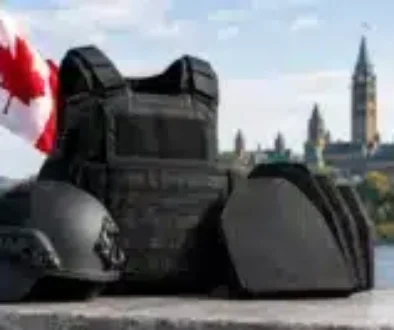
A ballistic plate carrier holds front and rear hard armor plates against the torso. Depending on the model, it may also accept side plates, soft armor inserts, trauma pads, radio equipment, identification panels, medical equipment, and mission-specific pouches.
The carrier itself is generally not the ballistic component. Protection comes from the armor installed inside it. This distinction is critical when reviewing specifications. A carrier may be built from highly durable nylon, reinforced stitching, and laser-cut mounting fields, yet offer no ballistic resistance without properly rated armor panels or plates.
A complete setup has three working parts: the carrier, the ballistic plates, and the loadout. Each must support the others. A lightweight carrier paired with heavy rifle plates may be appropriate for static security or vehicle operations, but it can become restrictive during extended foot patrols. A minimal carrier may improve mobility, but it may not provide enough real estate for communications, medical supplies, or duty equipment.
Start With the Threat Rating, Not the Carrier Style
The first purchase decision is not color, camouflage pattern, or pouch layout. It is the expected threat.
Handgun threats, rifle threats, edged-weapon risks, and riot-control environments require different protection solutions. Soft body armor is commonly selected for handgun protection and concealed wear. Hard rifle plates are designed for higher-energy rifle threats, subject to their stated test rating and configuration. Some operations require both soft armor and hard plates, while others call for a dedicated overt rifle-protection setup.
Review the manufacturer documentation for the exact armor you are considering. Confirm whether a plate is standalone or designed to be used in conjunction with soft armor. A standalone plate is tested as a complete ballistic solution within its listed configuration. An in-conjunction-with plate requires the specified soft armor behind it to deliver its intended performance. Treating these products as interchangeable can create a serious protection gap.
Pay attention to the test standard stated by the manufacturer. Buyers may encounter armor tested under NIJ 0101.06 or newer NIJ 0101.07 classifications, as well as products described by specific threat level or special-threat testing. The label, certificate, test documentation, and intended configuration should all tell the same story. If they do not, ask for clarification before purchase.
Fit Is a Protection Requirement
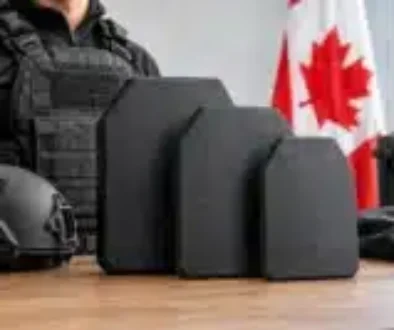
Hard armor plates must cover the vital thoracic area without restricting movement. A plate that is too small can reduce coverage. A plate that is too large can interfere with shouldering a rifle, sitting in a vehicle, bending, or drawing equipment.
As a practical starting point, the front plate should sit high on the chest, with the upper edge near the sternal notch. It should cover the central upper torso rather than extending excessively toward the abdomen. The rear plate should be positioned at a comparable height to protect the upper back. The goal is practical coverage of critical anatomy, not the largest plate that can be forced into a carrier.
Plate dimensions and plate cut matter as much as stated protection level. Common cuts include shooter cut and swimmer cut, both designed to improve arm movement compared with a full rectangular profile. Multi-curve plates often conform more naturally to the torso than single-curve plates, particularly during long shifts or vehicle-based work. That added comfort can matter operationally because armor that is tolerated for an hour is not necessarily wearable for a full assignment.
Carrier sizing must match the plate dimensions, not merely the wearer’s shirt size. Check the carrier’s stated plate pocket range and confirm that the plate can be secured without excessive movement. Plates should not rattle, sag, or sit loosely inside the pocket.
Adjust the Carrier Before Adding Equipment
Set shoulder straps first, then adjust the cummerbund so the carrier remains stable without restricting breathing. The plates should stay in position when walking, kneeling, climbing stairs, and assuming a shooting stance. After adjustment, practice accessing your radio, tourniquet, medical kit, sidearm, magazines, and vehicle seat belt if those items are part of your working environment.
A carrier that feels acceptable while standing still may reveal problems during movement. Train in the configuration you intend to wear, including the actual plate weight and equipment load.
Weight, Thickness, and Endurance
Every ballistic setup involves trade-offs. Higher protection may add weight. Thinner plates may reduce bulk but can affect cost, material selection, or threat coverage. Larger plates can improve coverage for some body types while reducing mobility for others.
The right choice depends on operational duration and threat probability. A tactical entry team preparing for a known rifle threat has different needs than an executive protection detail, a patrol officer, or a rural property owner building a contingency kit. Avoid selecting armor based only on the lightest advertised weight or the highest claimed rating. The relevant question is whether the entire system can be worn correctly for the work you actually perform.
Plate materials also influence handling and service considerations. Ceramic and composite plates are commonly chosen where reduced weight is a priority, but they should be inspected and handled according to manufacturer guidance. Steel plates can be durable but are generally heavier and require careful consideration of spall management, edge coverage, and stated ballistic performance. Polyethylene-based plates can provide low weight and buoyancy characteristics in some designs, though heat exposure, thickness, and certified threat rating remain relevant factors.
Do not add unnecessary accessories simply because the mounting space is available. Excessive magazines, oversized utility pouches, and poorly placed gear can affect balance, increase fatigue, and obstruct access to essential equipment. Build the carrier around immediate tasks: protection, medical response, communications, ammunition or tools required by policy, and identification where appropriate.
Choose a Carrier for the Operating Environment
A low-profile carrier is often better for discreet protection, vehicle work, or assignments requiring a jacket or outer layer. It typically carries less equipment and prioritizes a closer fit. An overt carrier provides greater mounting space, clearer identification options, and easier integration of radios, medical pouches, and external equipment.
For security and patrol roles, quick adjustment, visible identification, and compatibility with duty gear may take priority. For tactical teams, modularity, cable management, shoulder comfort, and rapid-doff capability can become more significant. For civilian preparedness, a simpler configuration may be more practical than a heavily equipped setup that is rarely worn or trained with.
Environmental exposure should also guide selection. Heat, rain, dust, salt air, and repeated vehicle use all place demands on fabric, hardware, hook-and-loop closures, and elastic components. Inspect stitching, buckles, plate retention, and cummerbund closures regularly. Follow the care guidance for both the carrier and its ballistic inserts, since armor and textile components often have different maintenance requirements.
Verification, Documentation, and Replacement Planning
Protective equipment should be purchased with the same discipline used for other life-safety equipment. Confirm the product’s listed rating, dimensions, weight, manufacturing information, care instructions, warranty terms, and any available certificate or test documentation. Keep those records with your equipment files, particularly for agency, team, or workplace procurement.
Inspect hard plates after significant impacts, drops, vehicle incidents, or other events that may compromise integrity. Visible damage is a reason for immediate review, but the absence of visible damage does not always confirm continued serviceability. Manufacturer guidance should determine whether an item requires replacement or professional evaluation.
CANARMOR supports buyers with clearly identified ballistic ratings, product documentation, long-term warranty coverage, and an incident-replacement commitment because protective equipment must be accountable long after checkout. For professional users, standardizing compatible plate sizes and carrier configurations across a team can also simplify training, maintenance, and replacement planning.
The best plate carrier is the one that holds correctly rated armor in the right position, remains stable through real movement, and supports the equipment your assignment requires. Set it up deliberately, verify every component, and spend time wearing it before the day you need it becomes the day you depend on it.