SAPI Cut Plates: Fit, Coverage, and Threat Rating
A plate carrier can look properly equipped and still leave the wearer with the wrong armor for the mission. SAPI cut plates are a common choice because they balance rifle-threat coverage with the shoulder mobility needed for patrol, security work, training, and vehicle operations. The cut alone, however, does not establish protection. Plate size, ballistic rating, material, curvature, weight, and carrier compatibility all affect whether an armor system performs as intended.
For professional users and qualified civilian buyers, selection should start with the expected threat and operational requirement, not with the lowest price or the lightest listed weight. Ballistic equipment is protective equipment. Verify the rating, verify the dimensions, and build the system around a fit that covers critical anatomy without preventing effective movement.
What Are SAPI Cut Plates?
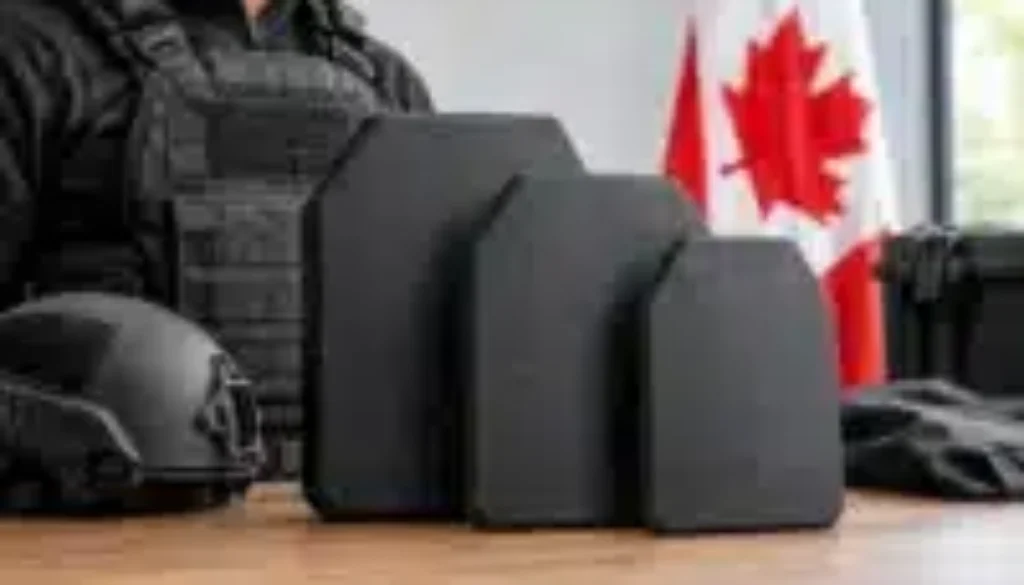
SAPI stands for Small Arms Protective Insert. The term originally refers to a military plate shape and sizing convention, but it is now widely used to describe rectangular rifle plates with clipped upper corners. Those upper corners create room at the shoulders, allowing a user to shoulder a rifle, draw equipment, and move their arms more naturally than they could with a full square plate.
A standard SAPI-style plate is wider through the center and narrowed at the upper corners. This geometry is intended for front and back torso coverage. It should not be confused with a shooter cut plate, which has more aggressive corner cuts, or a swimmer cut plate, which removes even more material for maximum arm mobility.
The right cut depends on the job. A static security assignment may prioritize coverage. A tactical officer, patrol professional, or user who spends significant time behind a rifle may accept slightly reduced upper-corner coverage in exchange for better weapon presentation. Neither choice is automatically better. The proper choice is the one that matches the threat environment, movement demand, and issued or selected carrier.
SAPI Cut Plates and Coverage
Plate dimensions matter more than the label on the carrier. A plate should cover the critical thoracic area from the upper chest down toward the diaphragm without extending so low that it interferes with sitting, bending, or drawing from a belt line.
For the front plate, the upper edge should generally sit near the suprasternal notch, the soft indentation at the top center of the chest. The rear plate should be positioned at a corresponding height to protect the upper back. A plate worn too low can leave vital upper-chest structures exposed. A plate worn excessively high can restrict neck movement and become difficult to wear for an extended shift.
Common SAPI dimensions include 8 x 10 inches, 10 x 12 inches, and larger military-style sizes. The popular 10 x 12 format can work for many users, but it is not universal. A smaller-framed wearer may need a smaller plate to preserve mobility and avoid excessive edge interference. A larger wearer may require a wider or taller plate to achieve appropriate coverage.
Carrier sizing must match actual plate dimensions, thickness, and shape. Do not assume that a carrier advertised as accepting 10 x 12 plates will properly retain every 10 x 12 plate on the market. Thickness can vary substantially, especially between lightweight polyethylene plates and ceramic-composite rifle plates. A loose plate pocket can allow shifting, while an overly tight pocket can make insertion difficult and distort carrier fit.
Choose the Rating Before the Material
The plate’s listed ballistic rating is the starting point for a defensible purchase decision. Rifle armor is designed around defined test threats, but ratings are not interchangeable descriptions of every possible rifle round, velocity, barrel length, or impact condition.
Review the manufacturer’s stated NIJ or RF classification, test information, and special-threat documentation where applicable. Current NIJ terminology and the specific standard cited on product documentation matter. Buyers should also distinguish between a formally certified model, a compliant model, and a product tested to a stated threat. Those descriptions can carry different meanings depending on the product and test program.
A plate selected for common rifle threats may not be intended for armor-piercing ammunition or for specialty threats outside its documented specification. Likewise, a lightweight plate may offer excellent protection within its stated rating while carrying limitations related to multi-hit capability, edge impacts, or environmental care. Read the documentation instead of relying on broad phrases such as “Level IV” or “rifle rated” alone.
For organizational procurement, keep records of the plate model, serial or lot information where provided, rating documentation, issue date, and inspection history. This creates accountability and makes scheduled replacement easier to manage.
Material, Weight, and Daily Wear
Most rifle plates are built from ceramic-composite materials, polyethylene, steel, or hybrid constructions. Each has operational trade-offs.
Ceramic-composite plates are commonly selected for higher rifle-threat protection at a manageable weight. Depending on their design and rating, they may provide multi-hit performance, but ceramic armor requires careful handling. Damage can be concealed beneath the outer cover, so follow inspection guidance and replace any plate that has been struck, dropped hard, or otherwise compromised according to manufacturer instructions.
Polyethylene plates can offer a significant weight advantage, making them attractive for extended wear, mobile security, and users managing fatigue over long shifts. Their protection scope depends entirely on the rated model. Lighter does not mean lower quality, but it often means the buyer must evaluate threat coverage more closely.
Steel plates are durable and may be economical, but they introduce concerns that must be addressed through tested construction and appropriate fragmentation management. Weight is also a serious consideration. Extra pounds on the front and back of the torso affect posture, speed, heat management, and endurance. For many professional applications, the cost of fatigue is as real as the purchase price.
Curvature also matters. A single-curve plate follows one broad curve and can be suitable for occasional wear. A multi-curve plate is shaped to follow the torso more naturally, generally improving comfort and stability during long periods in a carrier. For duty users wearing armor for full shifts, multi-curve construction is often worth evaluating.
Build the Carrier System Around the Plate
A plate is only one component of a protective system. The carrier must secure it at the correct height, distribute load, and permit access to mission-essential equipment without obstructing movement.
Before adding magazine pouches, medical gear, radios, or identification panels, establish plate fit. Adjust the shoulder straps and cummerbund so the front plate remains high and stable when walking, kneeling, running, and reaching. If the carrier shifts substantially during normal movement, the system needs adjustment before it is put into operational use.
Then test realistic tasks. Shoulder an unloaded training rifle. Enter and exit a vehicle. Sit in a duty position. Reach overhead. Bend to retrieve equipment. A plate setup that feels acceptable while standing still may become restrictive once it is loaded with equipment or worn over winter layers.
Side armor and soft armor panels can add coverage where the mission requires it, but they also add weight and bulk. A correctional transport role, high-risk warrant service, executive protection detail, and private security patrol do not necessarily call for the same configuration. Let the assignment drive the armor package.
Inspection, Storage, and Replacement
Inspect SAPI cut plates routinely for cuts, loose covers, exposed material, delamination indicators, deformation, water intrusion, and damage around the edges. Never modify a ballistic plate by drilling holes, trimming material, painting it with unapproved coatings, or attaching hardware through the armor body. Alterations can compromise performance and void applicable warranty coverage.
Store plates flat or properly supported in a clean, dry location away from prolonged high heat, direct UV exposure, chemicals, and unnecessary impact. Do not leave armor unsecured in a vehicle where it can shift, be crushed, or experience extreme temperatures for extended periods.
If a plate stops a projectile, remove it from service unless the manufacturer provides explicit post-impact guidance for that exact model. Ballistic protection is not an item to gamble on after a strike. CANARMOR’s incident-replacement support and long-term warranty policies are designed to reinforce the same principle: armor must remain dependable when it is called upon.
Make the Selection Defensible
The best SAPI-style plate is not simply the lightest, thickest, or highest-rated option on a product page. It is the plate with documented protection appropriate to the threat, dimensions appropriate to the wearer, and a carrier setup that can be worn correctly through the actual demands of the assignment.
Measure the wearer, confirm the carrier fit, study the plate documentation, and train in the complete configured system. When protection, mobility, and verified performance are treated as one decision, the finished armor setup is far more likely to serve the wearer when conditions are least forgiving.