Choosing a Ballistic Helmet for Law Enforcement
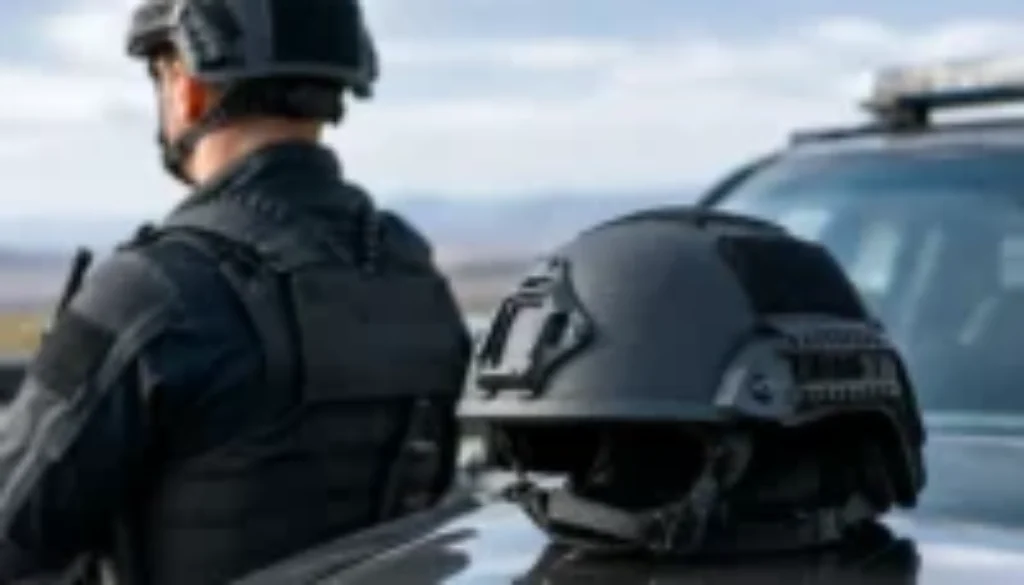
A ballistic helmet for law enforcement is not simply head protection added to a duty kit. It affects peripheral vision, communications, weapon presentation, vehicle movement, and fatigue across an entire shift. The right model must match the officer’s threat environment and assignment while staying stable, comfortable, and compatible with the equipment already in use.
For patrol response, corrections emergency teams, tactical units, and specialized security details, helmet selection should start with the mission. A helmet that performs well during a short high-risk warrant service may be a poor fit for extended perimeter duty or mobile patrol deployment. Protection matters first, but usable protection is what officers can wear correctly when the call changes without warning.
Start With the Protection Requirement
Most law enforcement ballistic helmets are built to stop common handgun threats, often described as NIJ III-A protection. This level is generally intended to address threats such as .357 SIG and .44 Magnum under defined test conditions. It is a handgun-threat standard, not rifle protection.
That distinction should drive procurement decisions. Standard ballistic helmets are not designed to defeat rifle rounds, armor-piercing ammunition, or every projectile encountered in the field. Rifle-resistant helmets exist, but they bring meaningful trade-offs in weight, bulk, neck strain, cost, and mobility. They should be selected for a documented operational need rather than assumed to be the correct answer for every officer.
Threat labels alone are not enough. Agencies and individual buyers should review the manufacturer’s published test reports, certifications, model-specific specifications, and test conditions. Confirm the exact helmet model, shell size, ballistic package, and production configuration covered by the documentation. A broad claim about a material or a product family is not the same as evidence for the helmet being issued.
Ballistic Performance Is Only One Part of Safety
Backface deformation, blunt-force energy, shell coverage, and edge performance all deserve consideration. A projectile may be stopped, but the transferred energy can still cause injury. Suspension and pad systems help manage that energy while keeping the shell positioned correctly on the head.
Environmental durability also matters. Officers may store helmets in vehicles, work in rain and heat, or deploy equipment after months of inactivity. Ask how the shell, hardware, adhesives, rails, and retention components hold up under routine operational use. Care instructions and service-life guidance should be followed exactly. A damaged, modified, or improperly stored helmet should be removed from service until it is inspected.
Fit Determines Whether a Helmet Can Do Its Job
A helmet that shifts under movement, blocks the sight picture, or creates pressure points will be worn less often and used less effectively. Fit is not a preference issue. It is a retention, protection, and readiness issue.
Measure head circumference according to the manufacturer’s instructions, then use the size chart for the specific helmet model. Shell dimensions and sizing ranges can differ between designs. An officer who wears a medium in one helmet may require a different size or pad configuration in another.
When fitted, the helmet should sit level and low enough to protect the forehead without obstructing vision. It should not rock forward during movement or ride excessively high above the brow. The suspension and pads should distribute pressure evenly around the head, with no concentrated hot spots at the forehead, temples, or crown.
The retention system must be adjusted with the officer’s duty configuration in mind. A helmet that feels secure while standing still may move when the wearer runs, kneels, looks upward, enters a vehicle, or shoulders a long gun. Test these movements before the helmet is placed into operational service. Chin straps should be snug enough to control movement without restricting breathing, speech, or range of motion.
Hair configuration, eyewear, hearing protection, and protective masks can all change fit. Agencies should avoid issuing a helmet based solely on a quick try-on. A practical fitting session should include the equipment officers will actually use during a critical incident.
Choose the Shell Cut for the Assignment
Helmet cut affects coverage and accessory compatibility. There is no universal best cut. The right choice depends on how the officer works and what equipment must integrate with the helmet.
A full-cut or traditional profile provides more coverage around the ears and lower rear of the head. It can be appropriate when coverage is the dominant requirement and communications hardware is limited. Mid-cut and high-cut designs remove material around the ear area to make room for communications headsets, hearing protection, and other mission equipment.
High-cut helmets are common among tactical teams because they work well with rail-mounted accessories and electronic hearing protection. The trade-off is reduced shell coverage. For a patrol officer who may use the helmet only for rare critical incidents, a simpler configuration may be easier to maintain and deploy. For a team that trains frequently with headsets, night vision devices, and helmet-mounted lights, accessory integration may outweigh the additional coverage of a lower-cut shell.
The key is to select a profile that supports the required mission, not to choose a cut because it looks more tactical. Equipment that cannot be worn comfortably or used with existing communications systems creates a readiness gap.
Weight, Balance, and Fatigue Are Operational Factors
Ballistic helmets are often evaluated by their stated weight, but total system weight is more useful. A shell may be manageable on its own, then become front-heavy once a shroud, night vision device, counterweight, camera, light, and communications equipment are installed.
Balance matters as much as the number on a specification sheet. Excessive front weight can increase neck fatigue and pull the helmet forward, especially during extended observation, vehicle operations, or low-light deployments. Poor balance may also interfere with rifle stock placement and eye protection.
Lighter helmets can reduce fatigue, but buyers should compare the complete package: protection level, shell size, coverage, hardware, padding, and accessories. A lighter shell is not automatically better if it sacrifices the coverage or performance needed for the assignment. Conversely, an overly heavy helmet can reduce compliance and slow officers during long operations.
Before department-wide issue, field a representative setup with officers of different sizes and roles. Have them wear the helmet during realistic training, not just an equipment-room fitting. This exposes problems with weight distribution, communication clarity, sight alignment, and heat management before they become deployment problems.
Plan Accessories Around a Controlled Configuration
Accessory rails, front shrouds, hook-and-loop panels, and cable-routing features can make a ballistic helmet more capable. They also create opportunities for unnecessary weight, snag hazards, and inconsistent setups.
A controlled configuration is usually the strongest approach. Define what is authorized for patrol, tactical, corrections response, and specialty units. Confirm that lights, communications systems, hearing protection, cameras, and night vision mounts are compatible with the shell and retention system. Do not drill holes, alter the shell, or install unapproved hardware unless the helmet manufacturer explicitly permits it. Unauthorized modification can weaken the helmet and may void coverage or warranty protections.
Officers should be able to don the helmet quickly, operate radios and hearing protection, and maintain a clear field of view. Cables should be secured so they do not interfere with retention straps, gas mask seals, eye protection, or vehicle egress. Simple, repeatable setups are easier to inspect and easier to use under stress.
Inspection, Training, and Replacement Matter
A ballistic helmet is life-safety equipment, not a set-it-and-forget-it purchase. Establish an inspection schedule and document the helmet’s issue date, serial number, condition, and service history. Before use, inspect the shell for cracks, deep gouges, delamination, soft spots, or impact damage. Check the rails, shroud, fasteners, pads, suspension, and chin strap hardware for wear or looseness.
Any helmet involved in a ballistic strike, significant impact, vehicle collision, or other damaging event should be removed from service and evaluated under the manufacturer’s guidance. Officers should report incidents promptly and preserve the equipment as required for agency documentation and manufacturer review.
Training should cover more than how to tighten the chin strap. Personnel need repetitions donning the helmet with body armor, eye protection, hearing protection, respiratory equipment, and communications gear. They should practice movement, long-gun presentation, vehicle entry and exit, and team communication in the exact configuration they may deploy.
CANARMOR supports this selection process with published specifications, sizing guidance, documented testing, and long-term protection options designed for professional users. The goal is not to add equipment for its own sake. It is to issue protective equipment officers can trust, fit correctly, and use without hesitation when conditions turn critical.
The best helmet is the one that meets the verified threat requirement, stays secure through real movement, and remains ready on the day an officer needs it most.