Difference Between Stab and Bulletproof Vests
A corrections officer facing edged-weapon risk does not need the same protection as a patrol officer responding to an armed call. That operational distinction is the core difference between stab and bulletproof vests. Both are designed to protect the torso, but they defeat different threats through different materials, test methods, and construction.
The term “bulletproof vest” is common, but no wearable armor makes a wearer invulnerable. Properly selected body armor is ballistic resistant against specified test rounds and conditions. A stab-resistant vest, meanwhile, is built to reduce penetration from knives, improvised spikes, and similar edged or pointed weapons. Selecting the wrong category can leave a critical gap in protection.
Difference Between Stab and Bulletproof Vests: The Threat
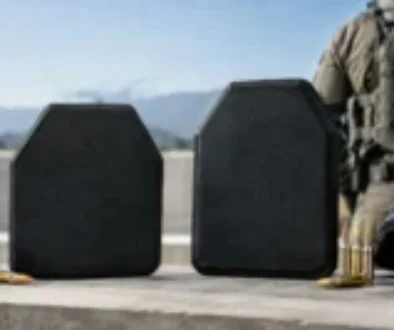
A ballistic vest is intended to stop or limit the penetration of firearm projectiles. Soft ballistic panels are commonly used for handgun threats, while hard rifle plates are required for many rifle threats. The panel absorbs and disperses projectile energy across a wider area, reducing the chance of penetration when the armor is matched to the tested threat.
A stab vest addresses a different mechanical problem. A knife concentrates force at a fine edge or point. A sharpened blade can work between fibers that may successfully stop a bullet. A spike, screwdriver, shiv, or ice-pick-style weapon concentrates force even more aggressively, which is why spike resistance may be tested separately from edged-blade resistance.
This is the practical rule: a ballistic rating does not automatically mean stab protection, and a stab rating does not mean ballistic protection. Do not assume that a vest will protect against a threat unless that capability is specifically stated on its label and supported by the applicable test documentation.
How the Materials Work
Soft ballistic armor commonly uses high-performance aramid or polyethylene-based materials arranged in multiple layers. When a handgun projectile strikes, those layers catch, deform, and slow it. The design also helps spread impact energy, though blunt-force trauma can still occur even when the round does not penetrate.
Stab-resistant armor may use tightly woven or layered technical fabrics, dense laminates, specialized composites, or metallic components such as chain mail in specific applications. Rather than primarily dispersing a bullet’s energy, these materials resist cutting, puncture, and penetration by preventing the blade or spike from passing through the protective package.
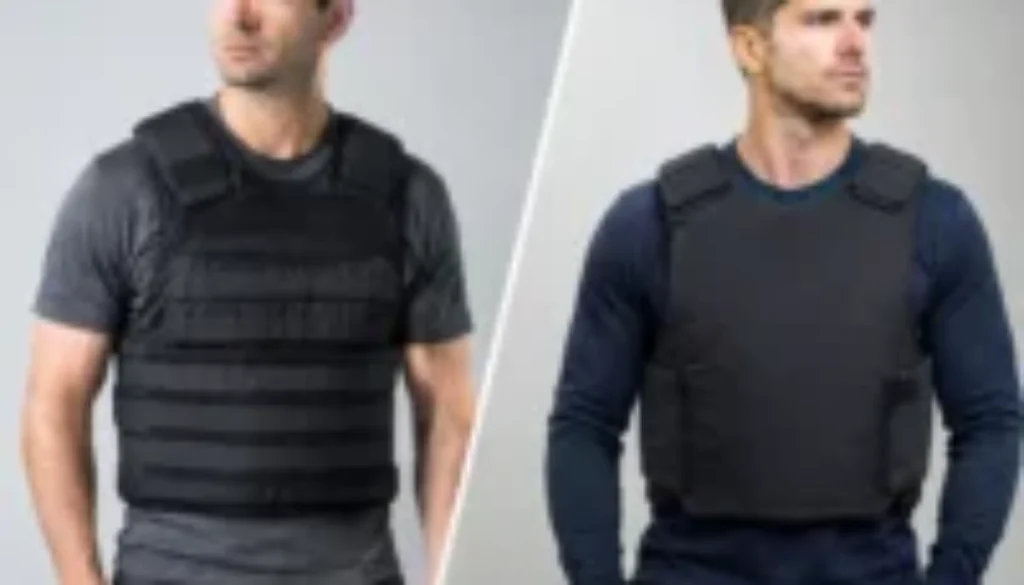
The result is a meaningful trade-off in feel and flexibility. A dedicated ballistic vest may be relatively light and concealable for its threat level. A dedicated stab vest can be firmer or less flexible because it needs to resist a concentrated point. Combination armor can provide broader protection, but it may add bulk, weight, stiffness, or heat retention compared with a single-purpose design.
Ratings Matter More Than Product Names
Product names such as “tactical vest,” “security vest,” or “protective vest” do not identify a reliable threat level. The rating and the manufacturer’s documentation do.
For ballistic armor, buyers often encounter NIJ IIIA or newer NIJ 0101.07 classifications such as HG1 and HG2 for handgun protection. Level IIIA has long been used to describe soft armor tested against specified handgun rounds. Rifle threats require hard armor plates, with ratings such as RF1, RF2, or RF3 under the newer NIJ framework, depending on the threat category. A vest carrying soft IIIA panels should never be treated as rifle armor unless it also contains appropriately rated hard plates.
For stab protection, NIJ Standard 0115 is a commonly referenced standard. It evaluates resistance to edged blades and, where applicable, spike threats at defined energy levels. The test method matters because an edged blade and a spike are not interchangeable threats. A product described only as “cut resistant” may help against slashing contact yet offer limited resistance to a forceful thrust.
When comparing products, verify whether the armor is tested for ballistic threats, edged-blade threats, spike threats, or more than one category. Also confirm the exact panel configuration tested. A carrier, outer cover, or accessory may look tactical, but it does not add a rating by itself.
When a Stab Vest Is the Better Choice
Stab-resistant vests are commonly considered for corrections staff, detention personnel, court security, healthcare security, transport officers, and private security teams working in close-contact environments. In these roles, assaults may occur at arm’s length, often with improvised edged weapons rather than firearms.
A dedicated stab vest may be the right choice where the likely threat is an edged weapon and comfort through a full shift is a priority. It can also be a practical option where local policy, assignment requirements, or concealment needs do not call for ballistic armor.
That decision depends on the real risk profile, not a generic job title. A security professional working access control at a low-risk site faces a different threat environment than one assigned to hospital emergency intake, prisoner transport, or executive protection. Conduct a site- and role-specific assessment whenever possible.
When a Bulletproof Vest Is the Better Choice
Ballistic armor is appropriate when firearm exposure is a credible operational threat. Law enforcement, armed security, first responders, military personnel, and civilians with lawful personal-protection needs may require handgun-rated soft armor, rifle plates, or both, depending on their duties and anticipated hazards.
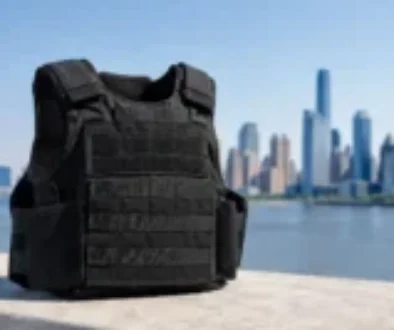
For routine wear where handgun threats are the primary concern, a properly fitted soft ballistic vest can provide practical coverage with less weight than a plate-based setup. For rifle threats, hard armor plates in a compatible carrier are necessary. Plates protect a defined area, so plate size, cut, placement, and carrier adjustment are as important as the rating printed on the label.
Ballistic protection should not be selected solely by choosing the highest level available. Heavier armor can reduce mobility, increase fatigue, and discourage consistent wear. A vest that remains in a locker because it is too heavy for the assignment provides no protection at all.
Combination Vests: Broader Protection, Real Trade-Offs
Some users need both ballistic and stab resistance. Combination vests are often relevant for corrections transport, law enforcement custody duties, security teams operating in mixed-threat environments, and professionals who may encounter either firearms or edged weapons during the same shift.
A true combination vest should have documentation showing its ballistic and stab capabilities. Do not infer dual protection from a marketing description, a thick panel, or the presence of a plate carrier. Ask what standard applies to each threat, whether spike resistance is included, and whether the stated performance applies to the complete vest or only a specific insert.
Combination protection can be a disciplined choice, but it is not automatically the best choice. The extra protective layers may make the vest warmer and less flexible. For a user who must run, drive, climb stairs, work a long post, or wear equipment over the vest, fit and mobility deserve the same attention as the rating.
Fit, Coverage, and Wear Are Part of Protection
Armor works only when it is positioned correctly. A vest that rides too high can interfere with movement and leave lower-torso coverage compromised. One that sits too low can expose the upper chest or collarbone area. Side coverage, overlap, shoulder adjustment, and panel placement should reflect the user’s role and the design of the vest.
Measure carefully and follow the manufacturer’s sizing process. Test the vest while standing, sitting in a vehicle, bending, reaching, and moving through normal work motions. For plate carriers, confirm that the plates cover the vital thoracic area rather than simply filling the carrier pocket.
Inspect armor routinely for damaged covers, compromised stitching, moisture exposure, deformation, or unauthorized modifications. Follow the manufacturer’s care instructions and service-life guidance. CANARMOR customers should also retain purchase records and product documentation, particularly for equipment used professionally or under agency policy.
Make the Selection From the Threat Backward
Start with the most credible threat: firearm, knife, spike, or a combination. Then match the armor’s independently documented rating to that threat, select the required coverage and wear style, and confirm that the vest can be worn consistently throughout the mission.
The right vest is not the one with the most aggressive appearance or the broadest claim. It is the one that has been tested for the danger you may actually face, fits your body correctly, and is ready when the situation gives you no second chance.