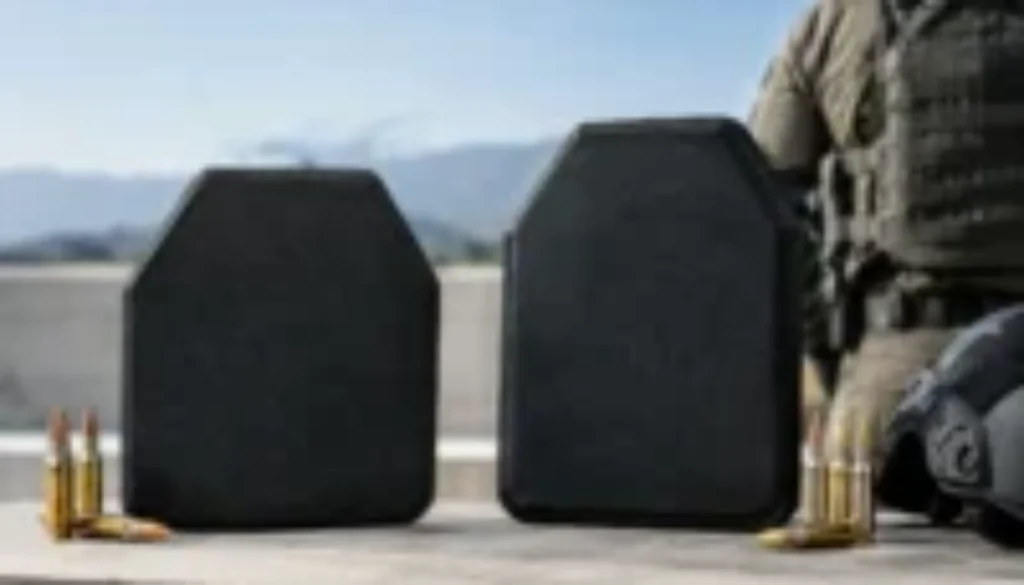
NIJ Level III vs IV Armor for Real Threats
A rifle plate that is too heavy can slow movement, add fatigue, and discourage consistent wear. A plate that is too light for the threat can leave a critical protection gap. That is the real decision behind NIJ Level III vs IV armor: not which number is higher, but which rating matches the rifle threat you may realistically face.
For patrol, security, emergency response, military, and lawful civilian preparedness, the answer depends on the ammunition threat, your operating environment, and how long you must wear the armor. Level IV offers the highest rifle protection in the legacy NIJ system, but it comes with trade-offs that matter during a long shift or active response.
NIJ Level III vs IV: The Core Difference
Under the widely used NIJ 0101.06 standard, Level III armor is tested to stop 7.62x51mm NATO M80 ball ammunition. This is a common full-power rifle threat and a meaningful benchmark for users who need protection from standard rifle ammunition.
Level IV armor is tested against .30-06 M2 armor-piercing ammunition. That is a more demanding threat test, designed to address armor-piercing rifle ammunition rather than standard ball rounds. If your risk assessment includes AP rifle threats, Level IV is the appropriate category to evaluate.
The distinction is straightforward, but a rating alone does not tell the whole story. Plate construction, test configuration, coverage area, strike-face condition, and whether the plate is standalone or used in conjunction with soft armor all affect the protection system you actually wear.
Level III: Protection Against Standard Rifle Threats
Level III plates are commonly selected when the primary concern is standard rifle ammunition, including the M80 ball test round. Many Level III plates are made from polyethylene, steel, ceramic composite, or hybrid materials. Each material brings a different balance of weight, thickness, buoyancy, durability, and cost.
A lightweight polyethylene Level III plate can be a strong option for users who prioritize mobility and extended wear. It may be especially practical for security personnel, vehicle teams, rural property protection, or civilians building a lawful defensive kit where the anticipated threat does not include armor-piercing ammunition.
Not every Level III plate performs the same way against every rifle cartridge. A plate may defeat its certified test threat while having different performance against high-velocity rounds, specialty ammunition, or threats outside its stated rating. Review the manufacturer’s published specifications and test documentation rather than assuming that all rifle plates provide identical protection.
Level IV: Protection Against Armor-Piercing Rifle Threats
Level IV plates are typically ceramic or ceramic-composite designs because the strike face must defeat armor-piercing rifle ammunition. The ceramic layer disrupts and erodes the projectile, while the backing material captures remaining fragments and energy.
For law enforcement tactical teams, military personnel, high-risk security assignments, corrections response teams, and users preparing for credible AP rifle threats, Level IV provides a higher protection threshold. It is often the prudent selection when the consequences of encountering an unknown rifle threat outweigh the added burden of the armor.
That added protection is not free. Level IV plates are often heavier, thicker, and less comfortable than lightweight Level III options. A few additional pounds may not sound significant during a fitting, but the difference becomes clear when running, climbing, working in vehicles, holding a rifle, or wearing the carrier for hours.
Weight, Mobility, and Wear Time Matter
Armor only helps when it is worn correctly. A lighter Level III setup may allow better endurance, quicker movement, and less shoulder fatigue. For a user who must wear armor throughout a 10- or 12-hour shift, this can be a major operational advantage.
Level IV may be the better choice when high-level rifle protection is non-negotiable, even if the plate is heavier. A shorter-duration warrant service, tactical callout, high-risk transport detail, or military operation can justify a different protection-to-mobility balance than routine patrol or static security work.
Do not compare plates by weight alone. Compare the full system: front and back plates, carrier, side protection if used, magazines, medical equipment, communications gear, and hydration. A plate carrier that is poorly sized or overloaded can compromise mobility regardless of whether the plates are Level III or Level IV.
Standalone vs ICW Plates
One of the most important details in a rifle plate specification is whether it is standalone or ICW, meaning in conjunction with.
A standalone plate is designed to provide its stated rifle protection by itself. It may still be worn in a carrier with soft armor panels, but it does not require those panels to meet its rated threat level.
An ICW plate requires a specified soft armor backer, often a IIIA-rated panel, to achieve its rifle rating. The plate and backer are one tested system. Wearing an ICW plate without the required soft armor can reduce protection below the claimed rating.
This distinction is particularly relevant when comparing lightweight plates. An ICW system may offer weight savings, but only when paired with the exact backer configuration required by the manufacturer. Confirm the label, instructions, and test data before building your carrier.
What About Level III+?
“Level III+” is a common industry term, but it is not an official NIJ protection level. Manufacturers may use it to describe plates that provide performance beyond the Level III M80 ball test, such as protection against certain steel-core or higher-velocity threats.
That does not automatically make a III+ plate equivalent to Level IV. If a plate is marketed as III+, review the exact threats it is tested against, the number of shots, shot spacing, velocity, and test laboratory documentation. A clearly defined special-threat test can be useful. A vague claim without supporting information should not guide a life-safety purchase.
Understand the NIJ Standard on the Label
Many buyers are familiar with NIJ 0101.06, which uses levels such as IIIA, III, and IV. The newer NIJ 0101.07 standard uses rifle-threat categories including RF1, RF2, and RF3 rather than simply carrying forward the older Level III and IV names.
This does not mean every plate labeled Level III or IV is obsolete. It means buyers should read the standard edition and the specific threat designation carefully. Agencies and professional purchasers should ensure their procurement requirements identify the required test standard, model, configuration, and coverage rather than relying only on a broad rating description.
Look for a clear model designation, manufacturer identification, date of manufacture, care instructions, and stated threat protection. For duty or organizational use, retain test reports, certificates, and purchasing records with the armor file.
Choosing the Right Plate for Your Mission
Choose Level III when your credible risk is standard rifle ammunition and sustained mobility is a priority. It can be the right choice for users who need capable rifle protection without carrying the additional burden of Level IV on every shift.
Choose Level IV when armor-piercing rifle threats are part of the risk picture, when the mission profile is high risk, or when policy requires the highest available rifle rating. It is also a sensible option for users who prefer greater protection against unknown rifle threats and accept the weight trade-off.
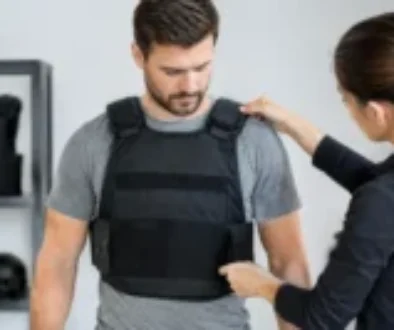
Fit is equally important. Select the plate cut and size that cover the vital area from the upper chest near the sternal notch to several inches above the navel when seated or standing. The plate should protect the heart, lungs, and major vessels without interfering unnecessarily with shoulder movement, stock placement, or access to duty equipment.
A SAPI-cut or shooter-cut plate can improve rifle shouldering compared with a full rectangular plate, while swimmer cuts can increase arm mobility further. More mobility generally means less coverage, so select the cut based on how you work rather than appearance alone.
Care, Inspection, and Confidence in Your Armor
Rifle plates are protective equipment, not range targets or general-purpose tools. Avoid unnecessary drops, hard impacts, extreme heat, unauthorized modifications, and exposure to conditions outside the manufacturer’s instructions. Ceramic plates in particular should be inspected after a significant impact or suspected damage event.
Before deployment, check that plates are correctly oriented, secured in the carrier, and matched as intended. Confirm that the carrier holds the plate at the proper height and that any required soft armor backer is present. A correctly rated plate installed incorrectly is not a complete protection solution.
The best armor decision is the one grounded in a credible threat assessment and a system you can wear with discipline. CANARMOR can help buyers compare plate ratings, cuts, sizing, and configurations so protection supports the mission rather than becoming another operational problem.