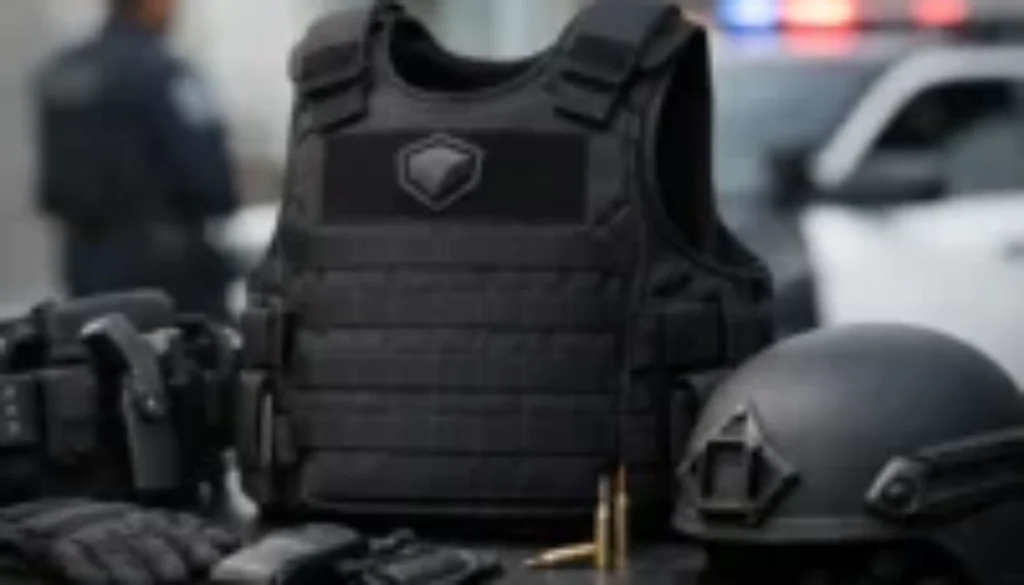
Body Armor for Law Enforcement: What Matters
A vest that shifts during a foot pursuit, prints under a uniform shirt, or adds too much weight at the end of a 12-hour shift is not a minor inconvenience. It is a performance problem. Body armor for law enforcement has to do more than stop threats on paper. It has to fit the mission, the wearer, and the reality of daily duty.
For officers, procurement teams, and agency decision-makers, the right setup usually comes down to one question: what protection level can you wear consistently and effectively? That answer is rarely one-size-fits-all. Patrol work, tactical entry, corrections, transportation, and plainclothes assignments place very different demands on armor, and the trade-offs matter.
What body armor for law enforcement is really expected to do
At a basic level, law enforcement armor is selected to reduce fatal and life-altering injury from ballistic or edged threats. In practice, that standard is only the starting point. Duty gear also has to preserve mobility, support access to critical equipment, maintain comfort across long shifts, and comply with departmental requirements.
That is why officers often end up comparing more than just ballistic ratings. They are evaluating heat retention, carrier design, concealability, trauma reduction, plate compatibility, and how the vest interacts with radio placement, vehicle seats, and weapon presentation. A vest that tests well but is left in a locker because it is too bulky has failed the real-world test.
For many agencies, soft armor remains the foundation for daily wear. It offers practical handgun-threat protection with a lower burden on movement and comfort. Hard armor plates enter the picture when the operational profile changes, especially for higher-risk calls, tactical deployments, active shooter response, or rifle threat concerns.
Understanding protection levels without the confusion
The fastest way to make a poor buying decision is to treat higher numbers as automatically better. Ballistic protection levels indicate tested performance against specific threats, but the right choice depends on what officers are most likely to face and what they can realistically wear.
Level IIIA soft armor is commonly selected for everyday law enforcement use because it is designed around prevalent handgun threats while staying flexible enough for routine duty. It is a practical balance for patrol, general response, and many uniformed roles. It also works well as a base platform when agencies want officers to have scalable options.
Level III and Level IV or current rifle-rated equivalents involve hard plates. These are intended for rifle threats and are typically used in overt carriers when risk escalates. That added protection comes with more weight, more bulk, and more fatigue over time. For some roles, that trade-off is justified. For others, it can reduce speed, endurance, and compliance if plates are worn when they are not operationally necessary.
The same logic applies to stab- and slash-resistant solutions. In corrections, transport, or close-contact environments, edged threat protection may be a critical requirement. A ballistic-only setup may not address the primary exposure. This is where mission-specific selection beats generic assumptions.
Fit is not a comfort issue – it is a safety issue
Poor fit affects coverage, movement, and officer willingness to wear the vest for full shifts. Armor should protect vital areas without interfering with bending, sitting, driving, or drawing from a duty belt. If coverage extends too low, the vest can ride up when seated. If it is too small, it leaves unnecessary gaps. Neither problem is acceptable.
A proper fit also supports concealment when covert wear is required. Detectives, executive protection personnel, and some specialized units need armor that stays low profile under regular clothing or duty uniforms. In those cases, thickness, contouring, and carrier cut become operational concerns, not cosmetic preferences.
Female-fit armor deserves special attention here. Contoured panels and properly designed carriers improve both protection and wearability. A unisex solution that technically fits on paper may still create pressure points, poor coverage alignment, or reduced compliance in actual use.
Sizing should be treated as a measured process, not a guess. Agencies that rush ordering often create downstream problems with exchanges, user complaints, and equipment that never sees full-time wear. When stakes are this high, precision up front saves time and risk later.
Covert vs. overt carriers in law enforcement use
Covert armor is built for low visibility. It is often worn under a uniform shirt or plainclothes attire, making it a common choice for patrol, investigators, and officers who need a discreet profile. The main advantage is day-long wearability. The limitation is modularity. Covert systems usually offer less external load carriage and fewer rapid configuration options.
Overt carriers provide faster donning, easier identification, and more room for pouches, medical gear, radios, and rifle plates. They are useful for tactical teams, active response setups, and agencies that want an external platform integrated into daily duty. They can also improve comfort in some cases by shifting gear off the belt, but they are more visible, more mission-specific, and not always ideal for every assignment.
There is no universal winner. Departments increasingly adopt scalable systems where officers wear soft armor daily and add overt plate carriers or rifle-rated inserts as threats dictate. That model makes sense because it respects both readiness and sustainability.
Weight, fatigue, and officer performance
Officers do not perform in controlled test conditions. They move through stairwells, struggle with combative subjects, remain seated in vehicles for long periods, and work extended shifts with incomplete recovery. Weight matters because fatigue affects reaction time, posture, and compliance.
This is one reason premium materials and thoughtful carrier design can justify their cost. A lighter setup is not just a convenience upgrade. Over months and years of use, it can improve wear consistency and reduce the chance that armor becomes something officers remove the moment supervision is out of sight.
That does not mean the lightest option is always best. Durability, certification, environmental resistance, and service life all matter. Agencies and individual buyers need to weigh immediate comfort against long-term performance and documented ballistic standards.
Certification, documentation, and trust
In this category, marketing language is cheap. Documentation is what counts. Officers and procurement teams should look for armor backed by recognized testing standards, clear threat-level labeling, and accessible support materials. If a manufacturer cannot clearly explain what a vest is rated for, how it was tested, and how it should be maintained, that is a problem.
This is also where buying from a specialist matters. Body armor is not the place to gamble on vague claims, incomplete sizing support, or unknown supply chains. A serious manufacturer or professional supplier should be able to provide certificates, explain the differences between armor types, and help match products to use cases instead of pushing one generic solution.
For agencies and professionals who want that level of clarity, CANARMOR’s approach reflects what this market should look like: certified performance framing, mission-based product selection, and support that reduces risk before and after purchase.
When policy and reality do not perfectly match
Some departments issue armor. Some provide an allowance. Some allow personal purchase within approved standards. That creates a common gray area where officers are trying to improve comfort or protection while still staying within policy.
The right move is usually not to chase the most aggressive setup available. It is to choose armor that meets agency requirements, aligns with actual threat exposure, and will be worn consistently. An officer working general patrol may need a very different solution than a warrant team operator, even within the same department.
Institutional buyers face a related challenge. Standardization helps with budgeting and administration, but over-standardization can ignore body types, assignment differences, and legitimate operational needs. The best procurement decisions usually leave room for approved variation where fit and function require it.
The buying decision that holds up on shift
The strongest body armor for law enforcement is not defined by branding, price, or the highest rating on the chart. It is defined by whether it protects the officer against the likely threat profile without compromising the ability to do the job. That means balancing ballistic level, carrier style, fit, weight, and certification with a clear view of actual duty conditions.
If you are selecting armor for yourself or your agency, slow down enough to get the fundamentals right. Measure correctly. Verify the rating. Match the vest to the assignment. Demand documentation. And choose gear built to be worn, not just stored. The best armor decision is the one that still makes sense halfway through a hard shift, when comfort, coverage, and confidence all start to matter at once.