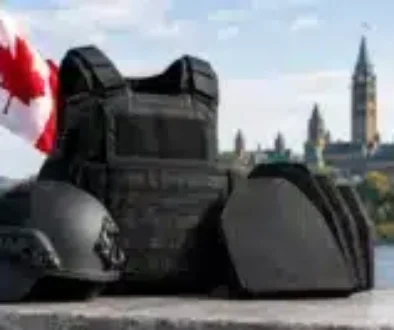

Stab Resistant Vest Protection That Fits Duty
A blade attack can happen at contact distance, with little warning and no opportunity to create space. For patrol officers, security professionals, corrections staff, and qualified civilians working in higher-risk environments, stab resistant vest protection is not a secondary consideration. It is a specific capability that must be selected against the threat, worn correctly, and verified through credible testing.
A vest that stops a handgun round is not automatically designed to defeat an edged weapon. Likewise, a garment marketed as cut resistant may provide limited protection against a forceful thrust. The material, panel construction, coverage area, and tested performance level all matter when the objective is to reduce injury from a real-world edged-weapon assault.
Stab Resistant Vest Protection Starts With the Threat
The first purchasing question is not which vest looks strongest. It is what type of attack the wearer is most likely to face. Stab threats generally fall into two broad categories: edged blades that penetrate through a thrusting action, and spike-like implements such as sharpened tools, needles, or improvised weapons. A vest can perform differently against each.
An edged blade applies cutting and slicing forces as it penetrates. A spike concentrates force onto a much smaller point, which can challenge some soft protective materials. Correctional and detention environments, for example, may involve improvised spike threats that require a different level of consideration than a patrol assignment where conventional knives are the more likely concern.
This is why broad marketing language is not enough. Buyers should look for the actual threat classification, the test standard used, and whether the vest was tested against edged blade threats, spike threats, or both. If the operational environment involves uncertainty, dual-threat coverage may be appropriate, provided the added weight and stiffness do not prevent consistent wear.
Understanding Stab and Spike Test Levels
Stab-resistant protective equipment is often evaluated using standards that define energy levels and test methods for blade and spike resistance. One recognized benchmark is the NIJ 0115 standard for stab resistance. Product documentation should identify the relevant protection category and the test level rather than making a general claim that a vest is knife proof.
No wearable vest is invulnerable. Test levels indicate controlled performance against defined test tools and strike energies. They do not mean the wearer can ignore fit, panel condition, coverage limitations, or the possibility of attacks outside the tested area. A high-quality vest is an engineered protective system, not a guarantee against every weapon or angle of attack.
When reviewing specifications, ask for clear answers to several practical questions: What threat type was tested? What laboratory documentation or certificate supports the rating? Does the stated protection apply to the front panel, back panel, or both? Is the protective insert removable, and is it positioned correctly in the carrier?
For agencies and procurement teams, these questions should be part of the purchasing file. For individual buyers, they are equally valuable. A vest with transparent, verifiable technical information supports a better decision than one relying on vague claims or unverified online descriptions.
Ballistic Protection and Stab Protection Are Different Jobs
Soft body armor designed for handgun threats may use flexible ballistic materials that are highly effective at catching and dispersing bullet energy. However, a sharp blade can exploit different failure mechanisms, particularly if the vest was not engineered and tested for edged-weapon resistance.
Some operational users need both ballistic and stab protection. Private security personnel, police officers, transport teams, and those assigned to public-facing or custody work may face mixed threats that include handguns, knives, and improvised weapons. In these cases, a purpose-built multi-threat vest may be the right solution.
There are trade-offs. Adding stab-resistant layers can increase thickness, weight, and rigidity. That may be acceptable for an overt duty carrier worn during a fixed shift, but less suitable for a covert vest worn under business attire for extended periods. The best option is the one that provides the required tested protection while remaining wearable for the full mission duration.
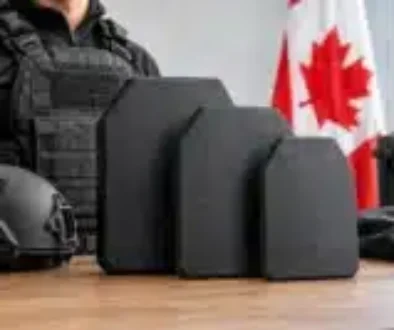
Do not assume that adding a hard armor plate turns a ballistic vest into a complete stab solution. Plates protect only the areas they cover, and gaps around the plate remain important. The protective system must be evaluated as a whole, including soft panels, plate coverage, carrier design, and the likely direction of attack.
Coverage, Fit, and Mobility Determine Real Protection
A properly rated panel cannot protect an area it does not cover. Stab-resistant vest protection should fit close enough to remain stable during movement without restricting breathing, reaching, seated work, defensive tactics, or access to duty equipment.
Front and back coverage are essential, but side coverage may also be a serious consideration for users who expect close-contact encounters. A larger coverage area can reduce vulnerable gaps, although it may add heat retention and bulk. For a corrections officer or a uniformed security professional working in close proximity to subjects, that trade-off may be justified. For discreet executive protection or plainclothes work, a lower-profile configuration may be more practical.
Sizing should be based on measured chest, torso length, and body shape, not ordinary shirt size. The front panel should cover critical upper torso areas without riding into the throat when seated. The rear panel should provide meaningful coverage without interfering with vehicle seats or equipment belts. Adjustment straps should secure the vest firmly and evenly, with no loose carrier movement that could shift panels away from the intended position.
Fit checks should be performed while standing, sitting, bending, reaching, entering a vehicle, and wearing the equipment normally used on duty. If a vest is uncomfortable enough to be removed during a shift, its rated protection becomes irrelevant.
Verify Construction, Documentation, and Service Life
Protective equipment should be treated as mission-critical gear. Before purchase, confirm the manufacturer identifies the material system, protection classification, intended use, care requirements, and warranty terms. Certificates and test information should be accessible and specific to the protective product, not simply a generic statement about a fabric supplier or similar model.
Inspect the vest routinely. Check the carrier for damaged closures, stitching failure, worn hook-and-loop surfaces, and distortion that could affect panel placement. Follow care instructions precisely. Many protective inserts should not be machine washed, soaked, folded aggressively, exposed to excessive heat, or stored under heavy equipment. The carrier may be washable, but the protective panels require separate handling.
Service life also matters. Environmental exposure, repeated compression, improper storage, and hard use can affect equipment condition over time. A stated warranty and defined replacement schedule give organizations a framework for equipment management. If a vest is involved in an actual edged-weapon incident, it should be removed from service and assessed according to the manufacturer’s incident and replacement procedures.
CANARMOR supports buyers with clearly identified protection categories, technical product information, and long-term equipment support designed for serious protective applications. For duty users, that level of documentation is part of the equipment requirement, not an optional extra.
Selecting the Right Configuration for the Assignment
A patrol or security assignment with regular public contact may call for an overt carrier that supports broad coverage, identification, and layered protection. A covert assignment may prioritize a thinner profile and reduced printing under clothing. Detention, medical transport, and corrections work may require more attention to spike resistance, side protection, and durability under frequent close-contact use.
The correct choice depends on the assignment, local policy, use-of-force environment, and whether ballistic threats are also credible. Legal requirements and employer rules can vary by state, agency, and role, so buyers should confirm that their intended purchase and use comply with applicable regulations.
A vest should never be chosen solely on price, appearance, or a single broad claim. Start with the threat, verify the test data, select a coverage and fit profile you will wear consistently, and maintain the equipment as seriously as the work it supports. That is how protective gear earns its place on duty.