Steel Versus Ceramic Armor Plates Compared
A rifle plate is not a commodity purchase. In the decision between steel versus ceramic armor plates, the material affects how much load you carry, how the plate behaves after impact, and whether your carrier remains practical through a full shift, patrol, or emergency deployment. The correct choice begins with a defined threat profile, not a preference for the lowest price or the highest advertised rating.
For law enforcement, security, military, and prepared civilian users, both materials can have a role. Their strengths are different, their limitations are real, and the details on the product label matter as much as the base material.
Steel Versus Ceramic Armor Plates: The Core Difference
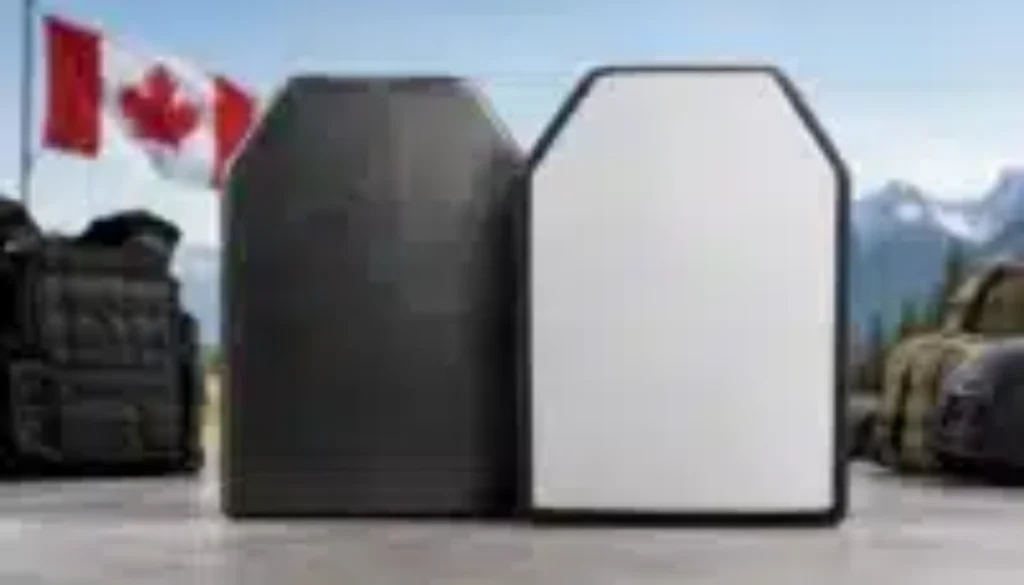
Steel armor plates are generally made from hardened ballistic steel. Their appeal is straightforward: they are durable, resistant to routine handling damage, and often less expensive than ceramic rifle plates. A properly rated steel plate can provide rifle-threat protection, but it commonly does so at a significant weight penalty.
Ceramic plates use a hard strike face – commonly alumina, silicon carbide, or boron carbide – paired with a fiber composite backing. When struck, the ceramic disrupts and erodes the projectile while the backing helps capture fragments and manage the remaining energy. This construction makes ceramic armor considerably lighter at comparable rifle protection levels, especially in advanced designs.
Neither material should be selected by the word Level III alone. Confirm whether the plate is tested as standalone armor or requires a soft armor backer, identify the exact test threats, and review its stated compliance, certification, or test documentation. NIJ and RF designations are useful only when connected to clear, verifiable product information.
Weight Changes the Mission
Weight is usually the deciding factor. A steel rifle plate may weigh roughly 7 to 10 pounds per plate, depending on size, thickness, cut, and protection rating. A pair can add substantial load before the carrier, magazines, radio, medical equipment, hydration, and other mission equipment are considered.
Ceramic plates often reduce that burden substantially. The difference may be several pounds across a front-and-back setup. That is meaningful when climbing stairs, working vehicle operations, conducting a long foot patrol, or maintaining a stable shooting position under fatigue.
Lighter is not automatically better. A lighter plate may cost more, and the protection configuration must still match the identified rifle threats. But users who wear armor for extended periods should treat weight as an operational factor, not a comfort feature. Excessive fatigue can reduce mobility, endurance, awareness, and willingness to keep armor on when it is needed.
Plate Size and Cut Matter Too
A plate that is too small leaves vital anatomy unnecessarily exposed. A plate that is too large can interfere with shoulder movement, seated work, drawing equipment, and proper rifle presentation. Measure from the suprasternal notch to approximately two to three finger widths above the navel, then use chest width to determine the appropriate plate dimensions.
Shooter’s cuts and swimmer’s cuts improve shoulder mobility compared with full rectangular plates, though they reduce coverage at the upper corners. Select the cut based on your duties and carrier setup. Material selection cannot compensate for poor sizing.
Spall Is a Steel-Specific Consideration
When a steel plate stops a rifle projectile, the bullet may fragment on the strike face. Those fragments can travel outward along the plate surface. This effect is commonly called spall or fragmentation, and it is a central consideration for steel armor.
A quality anti-spall coating, fragmentation wrap, or properly engineered protective cover can reduce this hazard. It should not be treated as an unlimited guarantee. Coating condition, impact location, shot angle, projectile type, and repeated strikes can all affect performance. Edge strikes deserve particular attention because they can create different fragment behavior than center-mass impacts.
Ceramic plates do not create steel spall in the same way. Their strike face breaks down during impact, and the plate’s backing and outer wrap are designed to contain material and bullet fragments. This is one reason ceramic armor is generally preferred for professional users who anticipate rifle threats and need a lower-weight solution.
If steel is under consideration, ask direct questions: What anti-spall system is supplied? Is it integral to the plate or an add-on cover? What is the stated protection against fragmentation? Has the plate been tested after conditioning and with realistic shot placement? Clear answers are part of responsible procurement.
Durability Means Different Things
Steel is highly resistant to drops, moisture, and ordinary storage abuse. It does not crack like ceramic, making it attractive for staged equipment, vehicle kits, training applications, or users operating on a constrained budget. Steel still requires inspection. Rust, damaged coatings, severe deformation, and compromised anti-spall layers require attention.
Ceramic is more vulnerable to hard impacts because its strike face can crack or sustain internal damage. That does not mean a ceramic plate fails after every drop. Modern plates are enclosed in protective wraps and designed for field use. It does mean that plates subjected to a serious impact, vehicle accident, or suspected damage event should be inspected according to the manufacturer’s instructions.
The practical distinction is simple: steel tolerates rough handling well, while ceramic provides better weight efficiency but demands disciplined care. Store both types dry, avoid unnecessary exposure to extreme conditions, and never drill, modify, or alter a ballistic plate.
Multi-Hit Claims Need Context
Steel is often marketed for multi-hit performance because the plate itself remains intact after impacts. Yet multi-hit capability is not a blanket promise. Bullet type, velocity, spacing between hits, edge distance, angle of impact, and spall-mitigation condition all matter. A claim without defined test conditions tells a buyer very little.
Ceramic plates can also provide multi-hit protection within their stated test parameters. After a strike, however, the impacted area of the ceramic is damaged. Additional shots close to that area may not perform the same way as shots spaced across the plate. This is normal for ceramic armor and is why users should understand the tested shot pattern rather than assume unlimited protection.
For either material, a rifle plate is life-safety equipment, not range steel. Replace any plate that has stopped a ballistic threat, even if the external damage appears limited. An incident replacement policy and a documented inspection process are valuable parts of an armor program.
Build the Plate System Around the Threat
Start by identifying what you need the armor to defeat. Handgun protection, common rifle rounds, higher-velocity rifle threats, and special threats are not interchangeable categories. The plate label should state the protection level, the tested ammunition, plate size, weight, manufacturing information, and whether it is standalone or in-conjunction-with armor.
Then consider how the plate will be worn. A low-visibility vehicle kit may prioritize durability and cost. A patrol officer, tactical medic, or security professional wearing armor for many hours will often benefit from a lighter ceramic configuration. A user who needs both extended wear and a demanding rifle-threat rating may find that the initial cost of ceramic armor is justified by better mobility over the service life of the equipment.
Carrier compatibility matters as well. Verify plate dimensions, thickness, curvature, and cut before purchase. A plate that shifts inside the carrier or sits too low can compromise both coverage and comfort. Properly adjusted shoulder straps, cummerbund support, and plate positioning are part of the protection system.
Choosing With Confidence
Choose steel when rugged handling, budget control, and occasional or staged use are the priority – provided that weight and fragmentation management are fully addressed. Choose ceramic when reduced weight, extended wear, mobility, and contemporary rifle-threat protection are the priority, while accepting the need for careful inspection after significant impacts.
CANARMOR customers should expect clear ratings, documented specifications, and direct guidance before selecting ballistic equipment. The best plate is the one that matches the verified threat, fits your body and carrier correctly, and is practical enough that you will wear it when the situation turns serious.