Soft Armor Versus Hard Plates: Which Fits?
A concealed vest can be the right answer for a security professional working long shifts in public-facing environments. The same vest is not the right answer for a patrol officer responding to a rifle threat. Soft armor versus hard plates is not a question of which material is universally better. It is a question of the threats you face, the time you must wear the equipment, and the protection level your assignment requires.
Body armor should be selected as operational equipment, not as a generic safety accessory. Start with the documented ballistic rating, confirm what threats that rating addresses, and then assess fit, coverage, carrier configuration, and mobility. A plate that performs well in a test standard but is too heavy or poorly fitted for the user can compromise readiness when it matters.
What Soft Armor Is Designed to Stop
Soft armor is typically constructed from flexible ballistic materials arranged in layered panels. It is primarily intended for common handgun threats, with performance determined by the model’s stated NIJ or RF rating and test documentation. Soft armor panels are commonly installed in concealable or overt carriers and are shaped to wrap around more of the torso than a rigid plate.
For routine protective wear, that flexibility matters. A properly fitted soft armor vest can move with the wearer during vehicle work, standing posts, foot patrols, client meetings, and extended shifts. It can also provide front, back, and side coverage depending on the vest design. For executive protection, private security, corrections, and qualified civilians seeking discreet handgun protection, this coverage-to-wearability balance is often the central advantage.
Soft armor is not rifle armor unless the manufacturer specifically states otherwise. Standard handgun-rated panels should never be assumed to stop rifle ammunition. Rifle rounds carry substantially more energy and can defeat soft armor designed for handgun threats. If the credible threat includes rifles, users need a rated rifle-protection solution, not a thicker or heavier handgun vest.
When concealment and daily wear drive the decision
Soft armor is often the better operational choice when low visibility and all-day comfort are requirements. A covert vest can be worn beneath appropriate clothing, helping security personnel and civilians maintain a lower profile without giving up rated handgun protection. It is also generally less bulky than a plate carrier, which can make it more practical inside vehicles and confined workspaces.
That advantage has limits. Flexible panels can retain heat, and added side coverage can affect ventilation and range of motion. Sizing remains critical. A vest that is too long can ride into the belt line when seated, while a vest that is too wide can interfere with shoulder movement. The right soft armor configuration is protective without preventing normal work.
When Hard Plates Are the Right Requirement
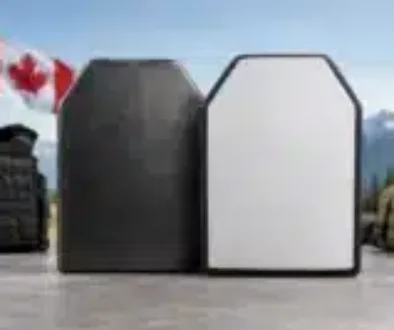
Hard plates are rigid ballistic inserts designed to defeat specified rifle threats when used according to their rating and instructions. They may be manufactured from ceramic, polyethylene, steel, or composite constructions, each with distinct weight, thickness, buoyancy, multi-hit capability, and edge-performance considerations. The label, certification information, and manufacturer guidance should govern the decision, not material marketing alone.
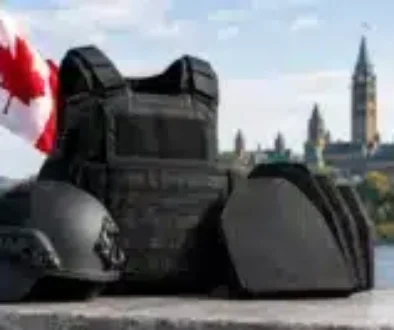
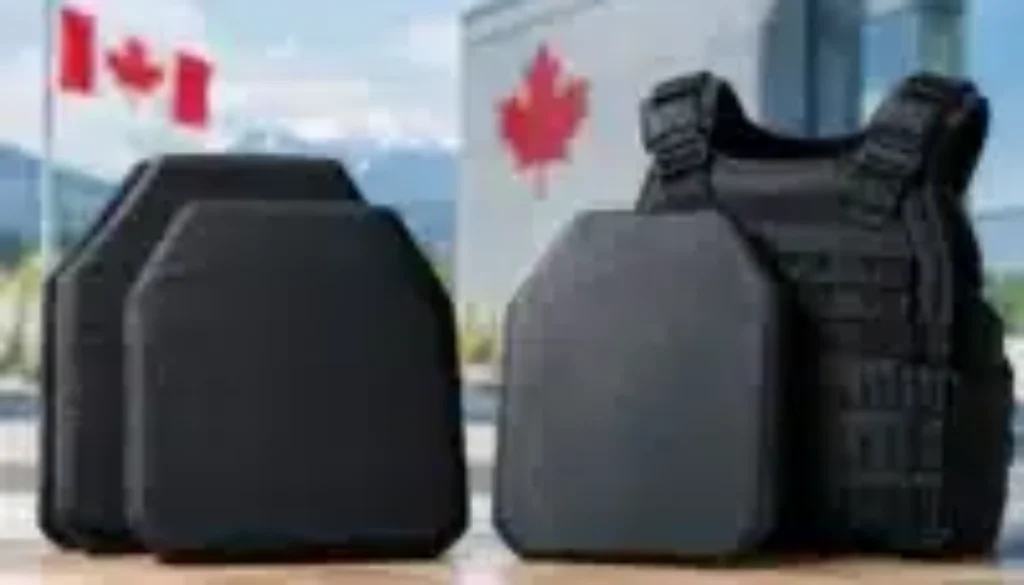
Most hard plates are carried in front and rear pockets of a plate carrier. Many users add side plates where their mission, policy, and mobility needs support that added coverage. Plates are commonly selected by law enforcement, military personnel, tactical teams, armed response personnel, and others who may encounter rifles or require overt, mission-ready protection.
The trade-off is obvious the moment the carrier goes on. Rifle-rated plates add weight and bulk, especially when paired with ammunition, communications equipment, medical gear, and duty tools. That can affect fatigue, vehicle access, sprinting, prone work, heat management, and the ability to shoulder a rifle consistently. Plate selection is therefore not simply a race toward the highest available rating. It is a decision about verified protection that the wearer can deploy effectively.
Stand-alone plates and IC plates are not interchangeable
A critical distinction in hard armor selection is whether a plate is stand-alone or in-conjunction. A stand-alone plate is rated to provide its stated protection by itself. An in-conjunction, or IC, plate is designed to achieve its stated rifle protection when worn with specified soft armor behind it.
An IC plate used without the required backing may not deliver its advertised protective performance. Conversely, adding soft armor behind a stand-alone plate does not automatically increase the plate’s rating. Review the product label and documentation, then build the system exactly as tested. This is especially important for agencies and security teams standardizing equipment across multiple users.
Coverage, Weight, and the Limits of Either System
Soft armor generally covers a broader, more flexible area around the torso. Hard plates generally protect a more concentrated vital zone, typically the front and back upper torso, with optional side coverage. Neither format covers every vulnerable area, and neither removes the need for sound tactics, situational awareness, and medical planning.
A well-fitted plate should cover the vital thoracic area without restricting natural movement. Plate dimensions should be based on the wearer, not simply on what is available in stock. The top edge should sit high enough to protect the upper chest area, while the plate should not extend so low that it prevents seated movement or interferes with the belt line.
Weight deserves the same disciplined approach. Lightweight plates can reduce fatigue, but users should compare the complete system weight rather than focusing on a single plate specification. Carrier weight, soft armor backers, side protection, trauma pads, load-bearing equipment, and hydration all add up. For a professional who wears armor for ten hours, a few pounds can materially affect comfort and performance.
How to Match Armor to the Threat
The decision begins with a credible threat assessment. Consider the likely weapon types, the environment, response time, work duration, concealment requirement, and organizational policy. A hospital security officer, an armored transport crew member, a patrol deputy, and a homeowner each face different risk profiles. They should not default to the same setup.
Where the likely threat is handgun violence and discreet, extended wear is necessary, rated soft armor is often the practical choice. Where rifle threats are credible, hard plates are generally required. For many patrol, tactical, and high-risk response roles, the operational answer is both: soft armor for routine wear and a properly configured rifle-rated plate carrier available for rapid deployment, or integrated armor systems designed for the assignment.
Do not use a plate carrier as a substitute for a full threat assessment. A carrier may look capable while containing plates that are the wrong size, the wrong rating, expired, damaged, or used outside their intended configuration. Confirm the rating against the actual threat, inspect the equipment routinely, and follow the manufacturer’s care and replacement guidance.
Verify Ratings Before You Buy
Ballistic protection should be traceable to clear documentation. Look for the stated NIJ or RF performance level, the exact model designation, test information, and instructions for use. Confirm whether the product is listed as independently certified, tested, or otherwise documented by the manufacturer. These terms are not automatically interchangeable, so procurement teams should understand what the supplied documentation represents.
Inspect armor when it arrives and at regular intervals. Soft armor panels should be kept in their protective covers and protected from unnecessary moisture, extreme heat, folding, or unauthorized alteration. Hard plates should be checked for cracks, severe impact damage, damaged covers, and compromised carrier retention. A plate dropped during routine handling is not automatically unserviceable, but its condition should be evaluated under the manufacturer’s guidance.
Fit testing should be treated as part of deployment, not an afterthought. Put on the complete system, adjust it while standing and seated, and test normal work movements. Draw from duty equipment if applicable, shoulder a training rifle, enter a vehicle, climb stairs, and check whether the system shifts under load. The best-rated armor is only useful when it stays correctly positioned.
Build the System Around Your Mission
CANARMOR customers range from first-time civilian buyers to professional teams purchasing armor for defined roles. The same standard applies across both groups: select documented protection that matches the threat, then configure it for real working conditions. A discreet handgun vest may be the responsible daily solution. A rifle-rated plate system may be the essential response solution.
Before committing, write down the threat level, required wear time, concealment needs, mobility demands, and carrier equipment you must use. That short operational checklist will usually make the choice between soft armor and hard plates much clearer, and it helps ensure the equipment you put on is equipment you can rely on.