Choosing a K9 Ballistic Vest for Police Dogs
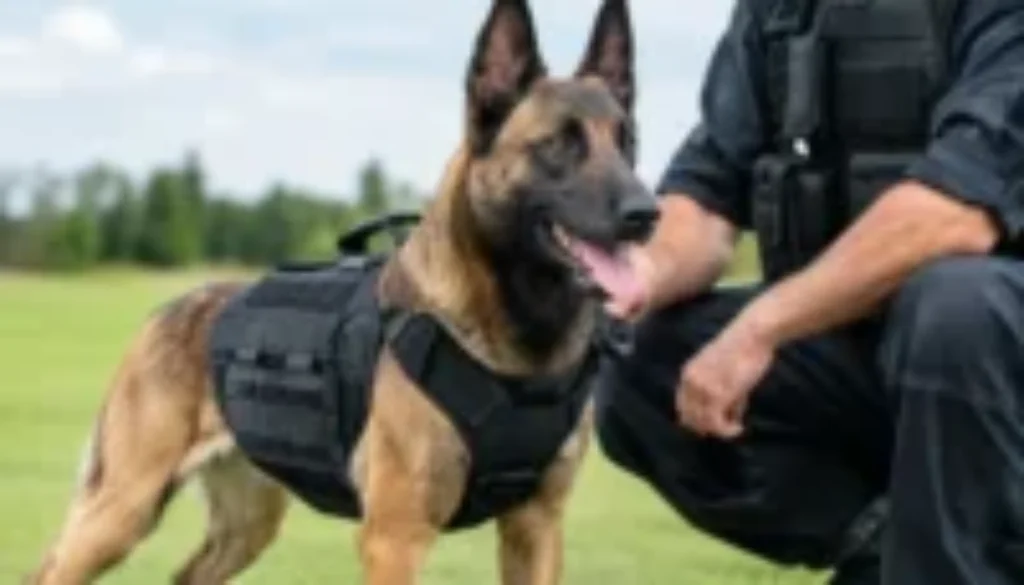
A K9 ballistic vest for police dogs is not a cosmetic layer or a one-size-fits-all accessory. It is mission equipment for a working partner who may be sent ahead on a track, building search, apprehension, perimeter assignment, or high-risk warrant service. The vest must provide meaningful protection without restricting the dog’s ability to breathe, turn, climb, scent, bark, or work under handler direction.
For agencies and handlers, the right selection starts with the threat profile. A patrol K9 working routine calls may need a different armor configuration than a dog assigned to tactical deployments, corrections, fugitive apprehension, or narcotics work. Ballistic protection matters, but coverage, weight, heat management, and dependable fit determine whether the armor can be worn when it is needed.
Start With the Operational Threat
Before comparing materials or colors, define what the dog is likely to encounter. Handgun threats, edged weapons, blunt-force hazards, environmental abrasion, and extended wear in hot weather all place different demands on K9 armor.
Soft armor is commonly selected for routine duty because it is more flexible and manageable for a moving dog. A vest rated for handgun threats may be appropriate for patrol operations where mobility and wear time are priorities. If an operation has a credible rifle-threat component, agencies should recognize the trade-off immediately: rifle protection generally requires harder, heavier armor and can significantly affect a dog’s movement, endurance, and heat load.
No vest makes a K9 invulnerable. A ballistic package has defined coverage areas, tested threat levels, and specific limitations. Handlers should avoid treating an armor rating as a blanket guarantee against every caliber, shot angle, impact location, or field condition.
Understanding Ballistic Ratings for K9 Armor
A K9 vest should have clear, documented information about its protective package. Ask what threat level the ballistic panels are designed to defeat, what test method was used, and whether the available documentation applies to the actual armor configuration being purchased.
For handgun protection, many professional users look for NIJ IIIA-level performance. This level is associated with common handgun threats and is widely used in personal soft body armor applications. It does not provide rifle protection. A rifle round can defeat soft IIIA armor even when the vest is otherwise well constructed.
The National Institute of Justice develops widely recognized standards for body armor, but K9 armor should be evaluated carefully rather than assumed to follow the same certification pathway as a human vest. Product claims should be supported by credible test reports, panel specifications, and manufacturer documentation. If an agency has a procurement standard, confirm that the vest meets it before ordering.
Ballistic performance is only one part of the decision. A vest that protects a broad area but overheats the dog during a long deployment may not be the right answer. Conversely, a light vest with minimal coverage may be easier to wear but leave critical areas exposed. The correct balance depends on the assignment.
Coverage Must Protect Without Blocking Movement
A working dog needs protection around vital areas while retaining a full, natural stride. Most K9 armor designs focus on the chest, rib cage, flanks, and upper back. The vest should sit securely around the torso without binding the shoulders, pressing into the throat, or interfering with the front legs.
Pay close attention to the underside of the vest. The chest and lower torso can be vulnerable during forward movement, obstacles, and close-contact work, yet excessive material in this area can chafe or limit extension. Dogs that routinely climb stairs, jump into vehicles, clear obstacles, or work in dense brush need room to move through their full range of motion.
A properly designed harness or leash attachment may be useful, but it should not create a single point of failure or pull the armor out of position. If the vest includes an integrated handle, test it under controlled conditions. The handler should be able to assist or control the dog without placing excessive strain on the vest, its fasteners, or the dog’s body.
Fit Is a Safety Requirement
A poorly fitted ballistic vest can create as many operational problems as it solves. A loose vest can rotate, snag, shift under a bite sleeve or obstacle, and expose areas intended to be covered. A vest that is too tight can restrict breathing, cause pressure points, and reduce the dog’s willingness to work.
Measure the dog exactly as directed by the manufacturer. Typical sizing inputs include chest girth, neck circumference, back length, and body weight, but measurements alone do not replace a fit check. Breed, muscle development, coat thickness, age, and body condition can all change how a vest sits on the dog.
After adjustment, observe the dog walking, trotting, turning sharply, sitting, lying down, climbing, and working around distractions. Look for rubbing behind the front legs, lifting at the rear edge, gaps at the chest, or straps that loosen under movement. The dog should be able to pant freely and maintain normal shoulder extension.
For agencies with multiple dogs, avoid sharing a vest simply because the dogs have similar weight. Each K9 should have an individually fitted setup, clearly identified and inspected before deployment.
Weight and Heat Are Real Trade-Offs
Working dogs regulate heat differently than people. Their cooling ability depends heavily on panting, and armor can retain heat around the torso during an already demanding task. This makes vest weight, outer material, ventilation design, and deployment duration operational concerns, not comfort extras.
A heavier armor package may provide greater coverage or higher protection, but it can reduce stamina and increase heat stress risk. The decision may be justified for a planned high-risk mission, yet unsuitable for extended summer patrol or a lengthy rural track. Consider whether the vest will be worn continuously, staged in the vehicle for rapid deployment, or reserved for specific tactical calls.
Handlers should build vest use into conditioning and training. A dog introduced to armor only during a critical incident may show altered movement, distraction, or resistance. Short, controlled training sessions allow the team to identify fit issues and help the dog work confidently in the equipment.
Construction Details That Matter in the Field
The outer carrier should withstand abrasion, moisture, mud, vehicle loading, and repeated cleaning. Durable stitching, protected panel compartments, reinforced adjustment points, and reliable closures matter because a vest is exposed to conditions far harsher than a showroom fitting.
Closures should be secure enough to resist accidental release while remaining manageable for a handler wearing gloves. Fasteners and adjustment hardware should not dig into the dog’s body or create snag hazards. Reflective identifiers, unit markings, and high-visibility panels may help during low-light operations, but should be selected based on mission requirements rather than appearance.
Armor panels also need protection from unnecessary damage. Avoid folding, crushing, puncturing, or storing the vest in extreme heat. A patrol vehicle can become hot enough to affect equipment over time, so follow the manufacturer’s storage guidance rather than leaving ballistic gear exposed for extended periods.
Inspection and Replacement Should Be Planned
Inspect the vest before and after deployment. Check the carrier for torn stitching, damaged webbing, broken fasteners, contamination, and areas where ballistic panels may have shifted. Examine the panel enclosure for water intrusion, cuts, creases, or signs of impact.
If a vest is struck, involved in a documented incident, or shows damage that may affect its integrity, remove it from service pending manufacturer guidance. Do not assume an intact-looking carrier means the ballistic package remains suitable for duty. Establish a written inspection and replacement process just as you would for human body armor.
Warranty terms, service life, testing documentation, and incident support should also influence purchasing decisions. CANARMOR approaches protective equipment with the same principle that should guide every K9 procurement decision: documented capability and proper fit are more valuable than vague protection claims.
Select for the Dog, the Mission, and the Handler
The best K9 ballistic vest for police dogs is the one that matches the actual risk, stays correctly positioned during work, and can be worn without compromising the dog’s performance. That may mean a flexible handgun-rated vest for regular patrol, a more protective configuration for planned tactical work, or separate setups for separate assignments.
Bring the handler into the selection process, require complete product documentation, and test fit during realistic movement before placing the vest into service. When a working dog is asked to go first, its protective equipment should be chosen with the same discipline as the equipment carried by the team behind it.