
Can Civilians Buy Body Armor? Rules and Limits
A protective vest is not a costume accessory or a substitute for sound judgment. It is life-safety equipment selected for a defined threat, worn correctly, and maintained within its rated service life. So, can civilians buy body armor? In most cases, yes. Law-abiding adults can generally purchase and possess body armor in the United States, but federal restrictions, state laws, and local rules can change who may buy it, how it may be delivered, and where it may be worn.
For private security personnel, preparedness-minded homeowners, journalists working in unstable environments, and civilians facing credible personal risk, the first question should not be “What is the strongest vest?” It should be: “What threat am I preparing for, and what equipment can I lawfully own and realistically wear?”
Can civilians buy body armor legally?
Under U.S. federal law, civilians are generally permitted to buy, own, and wear body armor. There is no federal permit or universal registration requirement for an eligible civilian purchaser. That baseline matters, but it is not the entire legal picture.
Federal law prohibits people convicted of certain violent felonies from purchasing, owning, or possessing body armor, subject to limited exceptions for qualifying employment or government authorization. A person who has been convicted of a violent felony should not assume that a restored right in one area automatically permits body armor possession. Legal status can be fact-specific, and qualified legal counsel is the proper source for an individual determination.
State and local requirements may be more restrictive than federal rules. Certain jurisdictions place conditions on the sale, delivery, possession, or use of body armor. New York, for example, has restrictions affecting the sale and transfer of body armor, including rules that can require eligible purchasers to buy in person. Other jurisdictions may impose enhanced penalties when armor is used during a criminal offense or regulate possession in particular facilities.
The operational rule is straightforward: verify the law where you live, where the item will be delivered, and where you expect to wear it before placing an order. A reputable supplier may also limit shipment methods or require additional purchaser information when required by law.
Possession is legal, but misuse has consequences
Body armor is defensive equipment. Wearing a properly fitted vest may be lawful, yet using it to facilitate unlawful activity can create serious criminal exposure and may increase penalties. The same is true if a wearer ignores restrictions at courthouses, secure government buildings, schools, private venues, or other controlled locations.
This distinction is especially relevant for security teams. A company may have a legitimate need for overt carriers, rifle plates, helmets, or shields, but that does not create an automatic right to enter every site while equipped. Site policy, client requirements, licensing conditions, and local law all matter. Document your operational need, train personnel on use-of-force and access policies, and treat protective equipment as one component of a larger safety plan.
For Canadian buyers, civilian possession of body armor is generally lawful, but criminal use, provincial requirements, and location-specific rules must still be considered. Cross-border purchases introduce another layer of concern. Export controls, customs requirements, and carrier policies can apply to ballistic equipment. Buyers should never assume that an item available online can lawfully cross an international border without proper review.
Choose protection for the threat, not the label
The phrase “bulletproof vest” is common, but no wearable vest makes a person bulletproof. Ballistic protection is rated against specific test threats under controlled conditions. It does not guarantee protection from every projectile, angle, distance, impact location, or environmental condition.
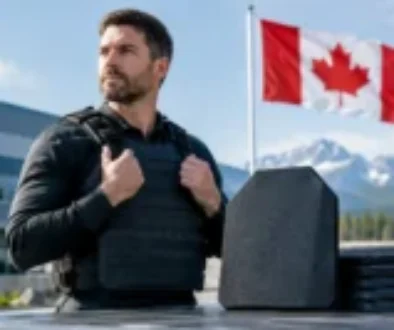
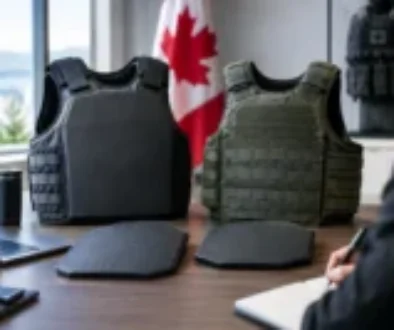
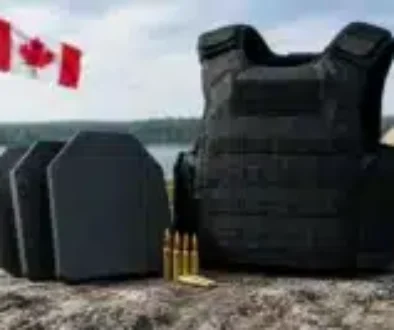
Start by separating handgun threats from rifle threats. Soft armor is typically selected for concealable or overt protection against handgun ammunition. It is often the practical choice for executive protection, patrol-adjacent security work, and personal defensive use where mobility and daily wear are priorities. Rifle threats generally require hard armor plates or rifle-rated armor panels, which add weight and bulk but address a different category of risk.
When comparing products, look for the stated NIJ or current NIJ/RF classification, the tested threat level, the test documentation, and whether the rating applies to the complete armor configuration. A carrier is not ballistic protection by itself. A plate may be rated independently, but the wearer also needs to understand coverage, plate size, trauma performance, and whether the plate is intended for standalone use or requires soft armor backing.
A credible product description should make these distinctions clear. Vague claims such as “military grade” or “stops all rounds” are not a substitute for a recognized rating, a certificate, and transparent test information.
Soft armor, plates, and edged-threat protection
Soft armor, hard plates, and stab-resistant panels serve different roles. Soft armor offers flexible coverage and can be worn covertly under appropriate clothing. Plates protect a more limited area but are built for higher-energy rifle threats. Stab and slash resistance should be selected when edged weapons are a credible concern, such as certain corrections, healthcare, transit, or public-facing security assignments.
Do not assume ballistic armor provides meaningful stab protection, or that a stab vest will stop a handgun round. Some systems combine capabilities, but combined-threat protection should be explicitly stated and documented. Selecting the wrong category can leave a critical gap despite a substantial equipment investment.
Fit determines whether armor can do its job
An armor panel that is too small can leave vital areas exposed. One that is too large can interfere with sitting, drawing equipment, bending, driving, or achieving a stable rifle position. For concealed soft armor, poor fit also makes regular wear less likely, which defeats the purpose of buying it.
Measure according to the manufacturer’s sizing instructions rather than relying on shirt or jacket size. For plates, determine the width and height needed to cover the vital torso area without restricting normal movement. The top edge generally needs to sit high enough to protect the upper chest while still allowing the wearer to shoulder equipment and move naturally. Carrier adjustment should keep the armor stable without excessive pressure on the shoulders or sides.
If armor is being issued to a team, fitting should be treated as an accountable process, not a box-checking exercise. Record the assigned size and configuration, inspect fit during movement, and re-evaluate it if an employee’s role, body dimensions, or duty belt setup changes.
What to verify before you purchase
Before selecting civilian body armor, confirm the intended threat level, the legal delivery options for your location, and the system’s documented performance. Then examine the practical details that determine whether the equipment will remain serviceable.
Look closely at the manufacturer’s stated warranty, recommended service life, care requirements, and replacement policy after a ballistic incident. Armor that has stopped a round, sustained visible damage, been exposed to severe conditions, or been altered should be removed from service and evaluated according to the manufacturer’s instructions. Do not modify ballistic panels, drill plates, fold soft armor inserts, or leave protective equipment in extreme heat without confirming that the material can tolerate those conditions.
Weight deserves an honest assessment. A heavier rifle-rated setup may provide more protection against a defined threat, but it can reduce endurance, speed, heat tolerance, and willingness to wear the system for long periods. For many civilian users, a properly sized, verified soft armor system worn consistently is more useful than an excessively heavy configuration left in a vehicle.
CANARMOR approaches this decision with standards-based product information, clear protection classifications, and support for buyers who need to match equipment to a real operational requirement. Whether purchasing for individual use or a security program, ask for the specifications that support an informed decision rather than relying on appearance alone.
A disciplined approach to civilian armor ownership
Buying body armor lawfully is only the beginning. Owners should store it clean and dry, inspect covers, straps, stitching, plates, and panels on a routine schedule, and keep product records available for warranty or replacement needs. Training should include how to don and doff the equipment, adjust it under stress, recognize mobility limits, and communicate those limits to the rest of the team.
Most importantly, protective equipment should reinforce good planning rather than create false confidence. Verify the rules, select protection for the threats you can reasonably identify, and choose a configuration you can wear correctly when it matters.