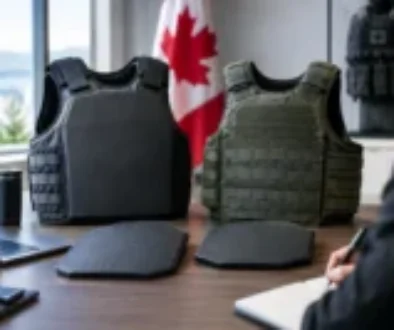

Best Body Armor for Women That Fits the Mission
A vest that is rated for the threat but rides up into the throat, gaps at the sides, or shifts every time the wearer moves is not mission-ready. The best body armor for women is not defined by a smaller carrier or a different color. It is protection selected around the actual threat, then fitted to the wearer’s torso, equipment load, and work position.
Women in law enforcement, security, emergency response, military roles, and qualified civilian applications need the same non-negotiables as any armor user: verified ballistic performance, dependable coverage, controlled movement, and equipment that can be worn long enough to matter. Anatomical fit changes how those requirements are achieved.
Start With the Threat, Not the Carrier
Armor selection begins with the expected weapon threat. Soft armor is generally selected for handgun-threat environments, while hard rifle plates are required where rifle threats are credible. A low-profile concealed vest may be appropriate for executive protection, patrol support, or discreet personal protection. An overt plate carrier may be the better choice for tactical operations, high-risk security details, and environments where rifle protection and external equipment are required.
Do not assume that a thicker panel or heavier plate automatically provides better protection for your role. Higher protection levels can add bulk, weight, and fatigue. They can also change mobility in vehicles, during foot patrols, or while shouldering a long gun. The right system balances the threat assessment with the time it must be worn.
Review the product’s stated NIJ or RF rating, test documentation, and protection specifications before purchase. Understand what the rating covers, including the listed ammunition threats and whether the item is a soft ballistic panel, a rifle plate, or a complete armor system. Stab resistance, spike resistance, and ballistic resistance are separate performance categories. A ballistic vest should not be presumed to provide rated protection against edged or spike threats unless that protection is specifically stated.
Why Fit Changes Ballistic Protection
Female body armor must protect vital areas without creating avoidable pressure points, upward movement, or exposed gaps. This is not a cosmetic consideration. Poor fit can make a user loosen straps, remove armor early, or accept coverage compromises during a long shift.
The front panel should sit high enough to protect the upper chest while allowing the wearer to turn the head, sit, bend, and operate equipment. The rear panel should provide appropriate back coverage without interfering with a duty belt or seating position. Side closures need secure overlap and adjustment, particularly for users whose waist and chest measurements differ substantially from standard unisex patterns.
For hard armor, plate shape matters. Shooters-cut and swimmer-cut plates can improve shoulder movement compared with full square cuts, but they reduce upper-corner coverage. Multi-curve plates follow the torso more closely than single-curve plates and are often more comfortable for extended wear. That added comfort can be worthwhile, but it must be weighed against cost, plate dimensions, and the carrier’s ability to hold the plate securely.
A plate that is too wide can restrict arm movement and interfere with weapon presentation. A plate that is too narrow may leave more of the upper torso exposed than intended. Plate sizing should be based on the wearer’s vital area and torso dimensions, not simply clothing size.
Best Body Armor for Women by Use Case
There is no single configuration that is best for every user. The mission determines whether concealment, rifle protection, external load carriage, or extended-wear comfort has priority.
Concealed Soft Armor for Daily Wear
For routine professional wear where discretion matters, a properly sized soft armor vest is often the most practical option. Look for a carrier with a stable, adjustable suspension system and ballistic panels that provide consistent front, back, and side coverage. The goal is to keep the panels positioned correctly throughout walking, driving, sitting, and routine physical activity.
A fitted carrier should not depend on excessive strap tension to stay in place. If the vest must be pulled extremely tight to prevent movement, the panel shape, carrier size, or adjustment range may be wrong. Test the fit over the clothing normally worn on duty, not only over a thin base layer.
Overt Carriers for Security and Patrol Work
Overt carriers are built for visibility, identification, radio routing, medical equipment, and other operational needs. For women, prioritize carriers with meaningful shoulder and waist adjustment, stable side closures, and enough structure to support equipment without pulling the front panel away from the body.
External load carriage is useful, but it has limits. A carrier overloaded with pouches, tools, and accessories can cause front-heavy fatigue and alter how the armor sits. Place essential equipment where it remains accessible from standing, kneeling, and seated positions. Confirm that radio cords, body cameras, and identification panels do not obstruct access to trauma equipment or adjustment points.
Rifle Plates for Elevated Threat Environments
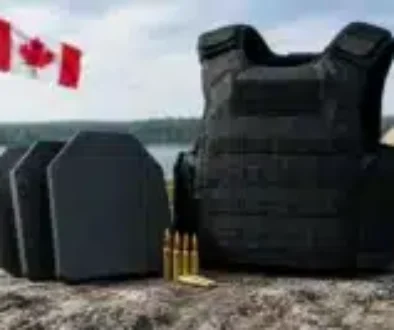
When the mission requires rifle protection, use plates with a documented rifle-threat rating and choose a carrier built for the plate’s dimensions and thickness. A plate should not sag inside its pocket or shift laterally during movement. Plate retention is a safety feature, not a minor carrier detail.
Weight deserves close attention. Two plates, a carrier, magazines, communications equipment, and medical gear can become a substantial load. Lighter plates may reduce fatigue, yet users should evaluate the stated protection rating and construction rather than choosing solely by weight. The best setup is one that maintains the required protection while allowing the wearer to move, breathe, and sustain the task.
How to Size and Evaluate a Vest
Accurate measurements are the starting point. Measure the chest, waist, and torso according to the manufacturer’s sizing instructions, ideally while wearing the base garments used on duty. If possible, use a fitting appointment or direct product support before committing to a complete armor system. A small sizing error can be costly when panels and carriers are specialized.
Once fitted, conduct a functional check. Raise both arms, sit in a vehicle, bend to pick up equipment, kneel, climb stairs, and assume the positions required by the role. For firearm users, confirm that the vest does not block a consistent stock weld, holster draw, or access to reloads and medical equipment. For security and patrol work, assess comfort after a realistic period of wear, not just a few minutes in front of a mirror.
Watch for warning signs: panels that migrate upward, sharp pressure at the collarbone, excessive gaps at the sides, straps that loosen during movement, or plate corners that dig into the chest when seated. Minor carrier adjustments can solve some issues. Persistent problems usually indicate that the size, cut, or configuration should change.
Verify the System Before You Rely on It
Body armor is safety equipment. Buy from a supplier that clearly identifies protection ratings, product specifications, care requirements, and warranty terms. Retain product documentation and inspect the armor regularly for damage, panel deformation, compromised stitching, worn closures, or contamination that may affect performance.
Follow the manufacturer’s cleaning and storage instructions. Do not leave armor in prolonged high heat, expose ballistic panels to unnecessary moisture or chemicals, or alter panels to improve comfort. Drilling, cutting, folding, or modifying ballistic components can compromise the product and may void coverage. If armor has been involved in a ballistic incident, remove it from service and follow the manufacturer’s replacement process.
Qualified civilian buyers should also confirm applicable local and state laws before purchase or use. Legal eligibility, workplace policy, and uniform requirements can affect the appropriate configuration.
The right armor should disappear into the work as much as possible: it stays in position, protects the intended area, and lets the wearer carry out the mission without hesitation. Start with the threat, insist on documented protection, and treat fit testing as part of the protective system rather than an afterthought.