Made in Canada Bulletproof Vests: What Matters
A vest is not just a garment with a protection label. It is life-safety equipment that must fit the user, match the credible threat, and remain serviceable through demanding shifts, training, vehicle time, and storage. For buyers evaluating made in Canada bulletproof vests, the value of local manufacturing is not a slogan. It is the ability to assess specifications clearly, obtain support when questions arise, and build an accountable replacement plan around equipment that may be needed without warning.
The word “bulletproof” is commonly used, but no wearable vest makes a person invulnerable. Body armor is engineered to defeat specified threats under defined test conditions. The responsible purchasing question is therefore not simply, “Is this bulletproof?” It is, “What rated threats is it designed to stop, in what configuration, and is that configuration appropriate for my duties?”
Why Made in Canada Bulletproof Vests Matter
Canadian manufacturing can give professional users and qualified civilian buyers a more direct line between the product, its documentation, and the people responsible for standing behind it. That matters when a procurement officer needs certificates and product details, when an officer needs a replacement carrier, or when a first-time buyer needs help separating soft body armor from rifle plates.
It also creates practical accountability. Armor should arrive with a clear model designation, stated ballistic rating, sizing information, care instructions, and an identifiable warranty. A manufacturer should be prepared to explain what the armor is intended to defeat and what it is not. Vague marketing language, unlabeled inserts, and claims that cannot be tied to a recognized standard deserve caution.
For organizations, domestic sourcing may also simplify communication, service planning, and consistency across a team. That does not mean every Canadian-made option will be right for every mission. Weight, concealment needs, available budget, plate curvature, and operating environment still determine the best configuration. Local manufacturing is most valuable when it is paired with transparent testing, disciplined quality control, and support after the sale.
Start With the Threat, Not the Product Name
The correct armor package begins with a documented risk assessment. Patrol assignments, executive protection, private security posts, corrections work, civilian home defense, and tactical operations do not present the same threat profile. A low-profile vest optimized for long periods under business clothing is a different tool from an overt carrier configured for rifle threats and mission equipment.
For soft armor, NIJ handgun-protection classifications help buyers compare intended performance. For hard rifle armor, buyers should look for the applicable rifle-threat rating, including NIJ RF designations where stated by the manufacturer. Do not assume that a carrier itself provides ballistic protection. In many systems, the carrier is only the platform. The protective capability comes from the soft armor panels, hard plates, or both.
A sound evaluation identifies four operational facts:
- The likely projectile or edged-weapon threat.
- The expected duration of wear and physical activity.
- Whether concealment or external load carriage is required.
- The legal and organizational rules governing purchase and use.
These factors often create trade-offs. Higher protection can add weight and bulk. A lighter setup may improve comfort and compliance during an entire shift, but it may not address rifle threats. The best equipment is the equipment that satisfies the actual risk requirement and will be worn correctly when it counts.
Soft Armor, Hard Plates, and Stab Resistance
Soft body armor is commonly selected for handgun threats and routine wear. Its flexibility makes it suitable for covert and overt vests, but soft armor should not be treated as rifle protection unless the product specifically states otherwise. Coverage area, panel design, and fit are central to how it performs on the body.
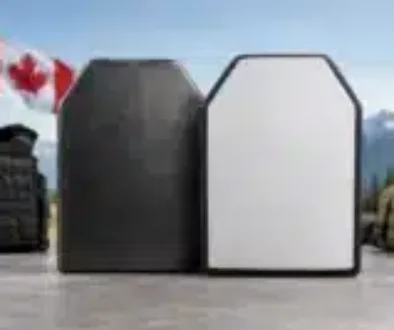
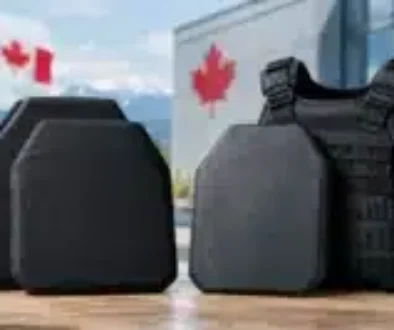
Hard armor plates are designed for designated rifle threats and are usually carried in front and rear plate pockets. Plate selection involves more than stopping power. Consider the plate’s rating, dimensions, cut, curvature, thickness, weight, and compatibility with the carrier. A plate that is too small leaves avoidable gaps; one that is too large can interfere with shoulder movement, shouldering a firearm, sitting in a vehicle, or accessing duty equipment.
Stab- and spike-resistant products address a separate hazard category. Ballistic resistance does not automatically equal resistance to blades, needles, or improvised sharp threats. Security teams, corrections professionals, and others facing edged-weapon risks should verify that the selected product is expressly rated for that use.
Specifications That Deserve a Close Review
A serious vest purchase should be supported by more than a broad protection claim. Review the stated ballistic standard and rating, then confirm whether the description applies to the exact armor insert or plate being purchased. If a test report or certificate is available, compare the model name and construction details to the product configuration in front of you.
Pay close attention to the difference between a certified test result, a manufacturer test statement, and a claim based on similar material. These are not interchangeable. A credible supplier should make its terminology clear and avoid implying that a component, carrier, or unrelated model shares a rating it has not earned.
Weight is equally operational. Buyers sometimes focus only on the total pounds or kilograms, yet weight distribution matters too. A well-designed carrier, correctly sized panels, and stable adjustment can reduce movement and pressure points. Conversely, improperly fitted armor can shift during movement and discourage consistent wear, even when the ballistic insert itself is rated correctly.
Materials and construction affect daily durability. Examine the carrier fabric, stitching, closure system, panel covers, and plate-pocket retention. For covert use, assess how the vest sits under ordinary clothing and whether its profile works with the wearer’s duty belt and range of motion. For overt use, assess load carriage, ventilation, attachment compatibility, and access to critical equipment. Mission-ready armor is not simply protective material. It is a complete wearable system.
Fit Is a Protection Requirement
Ballistic protection only covers the areas it is designed to cover when the vest is fitted correctly. Measure the wearer using the manufacturer’s sizing method rather than guessing from shirt size. The front panel should protect the upper torso without riding high into the throat or dropping so low that it interferes with movement. Side coverage and overlap should be evaluated in the intended wearing position, not while standing still for a quick mirror check.
A proper fitting should include ordinary work movements: sitting in a vehicle, bending, reaching, climbing stairs, drawing or presenting permitted equipment, and wearing the layers normally used on duty. For agencies and security companies, it is wise to record sizing and configuration details for each user. This helps with reorders, replacement cycles, and accountability when personnel change roles.
Do not alter ballistic panels by cutting, sewing through, drilling, or folding them in ways the manufacturer does not authorize. Keep panels dry, protect them from unnecessary heat and chemical exposure, and follow the specified cleaning procedure. Carriers may be washable in ways armor inserts are not, so read the care instructions for each component.
Service Life, Warranty, and Replacement Planning
Armor is a controlled piece of protective equipment, not a buy-once accessory. Its stated service life should be reviewed alongside the warranty and the manufacturer’s inspection guidance. A long warranty can be meaningful, but buyers should understand what it covers, how claims are handled, and whether the supplier offers support after a ballistic incident.
CANARMOR supports its Canadian-made armor with a 25-year lifespan warranty and an incident-replacement guarantee, reflecting the fact that protection planning continues after the order is placed. For department buyers, a scheduled replacement program can prevent mixed generations of equipment and reduce the pressure to make rushed purchasing decisions after gear has already aged out.
Replacement is not determined by calendar age alone. A vest involved in a ballistic strike, damaged in a vehicle incident, exposed to conditions outside the care guidance, or found to have compromised components should be removed from service and assessed promptly. When in doubt, preserve documentation and consult the manufacturer rather than relying on visual appearance alone.
Buying Responsibly Across Borders
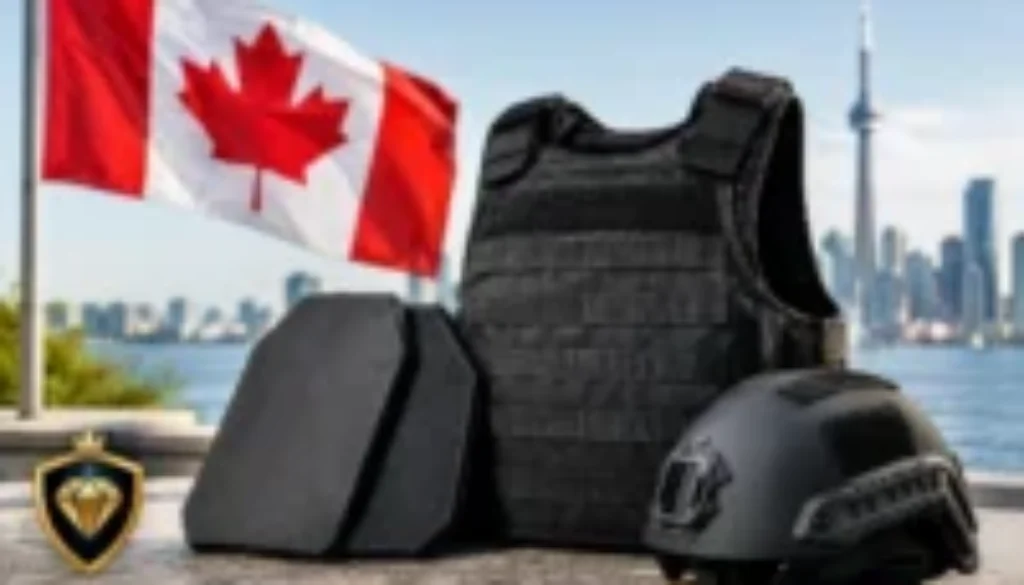
US buyers considering armor manufactured in Canada should confirm the rules that apply where they live and work. Body armor laws can vary by jurisdiction, and agency policy, employment requirements, export controls, and shipping restrictions may affect what can be purchased or transported. Qualified buyers should also verify their configuration before ordering, especially when adding plates, helmets, shields, or other controlled tactical equipment.
For trade purchasers, the strongest buying process is documented: define the threat level, choose the correct platform, verify the rating for each protective component, fit the end user, and maintain a replacement record. For individual purchasers, the same discipline applies on a smaller scale. The goal is not to buy the heaviest or most expensive vest. It is to select protection that is technically appropriate, wearable, and supported by evidence.
When protection is part of the assignment, insist on clear ratings, correct fit, and a supplier prepared to stand behind the equipment long after it leaves the box.