Body Armor Certification Check Before You Buy
A vest can carry a familiar rating label and still be the wrong equipment for the threat, the mission, or the wearer. A proper body armor certification check goes beyond asking whether a product was tested. It confirms that the exact armor model, in its current configuration, has verified performance documentation and remains serviceable for deployment.
For private security, law enforcement, emergency response, and prepared civilian users, this distinction matters. Ballistic protection is not a category purchase. It is a life-safety system whose rating, construction, fit, care history, and intended use must all align.
What Certification Actually Applies To
Certification does not automatically apply to every vest, plate, or armor component sold under a manufacturer name. It applies to a defined product model tested against a defined standard under a defined configuration. Changing the plate model, panel construction, carrier, strike-face material, or sizing range can change what the documentation supports.
In the United States, the National Institute of Justice, or NIJ, is the standard most buyers recognize. Older armor may reference NIJ Standard 0101.06, with familiar Level II, Level IIIA, Level III, and Level IV designations. Newer armor may reference NIJ Standard 0101.07, which uses handgun classifications such as HG1 and HG2 and rifle classifications such as RF1, RF2, and RF3.
Those standards are not interchangeable labels. A legacy Level IIIA designation should not be casually treated as an HG2 rating, and a plate marked with a rifle rating should not be assumed to meet every rifle-threat requirement. Read the stated standard, threat classification, and model information exactly as presented.
A product described as NIJ tested may have undergone laboratory testing. That does not necessarily mean it is listed through the NIJ Compliance Testing Program. Likewise, a material test report does not certify the finished armor system. The relevant question is whether the finished product you intend to wear has documentation that supports its stated protection claim.
How to Perform a Body Armor Certification Check
Start with the product identity. Obtain the manufacturer name, exact model designation, listed protection level, standard revision, and date or lot information where available. The model on the armor label, certificate, invoice, and product documentation should match. Small naming differences can matter, especially when a company offers several plate thicknesses, curved and single-curve variants, or multiple generations of a soft armor panel.
For products represented as NIJ certified or compliant, compare the exact model against the official NIJ Compliant Products List for the applicable standard. Do not rely only on a retailer category title, a photograph of a label, or a generic certificate. A legitimate record should identify the manufacturer and the model that has been evaluated.
Next, confirm what the rating covers. Soft body armor is generally intended for handgun threats and requires a complete front and back panel system. Hard rifle plates address rifle threats when used in the listed configuration, but plate ratings can differ based on independent or in-conjunction testing. An in-conjunction plate depends on specified soft armor behind it. A stand-alone plate is tested without that backing. Using the wrong backing behind an in-conjunction plate can leave the wearer outside the tested configuration.
Then review the supporting paperwork. Manufacturer test documentation should identify the testing laboratory, the test standard, the armor model, and the threat performance claimed. Documentation is most useful when it is specific rather than promotional. A one-page statement saying that all products are tested provides far less accountability than a model-specific report, certificate, or formal product specification.
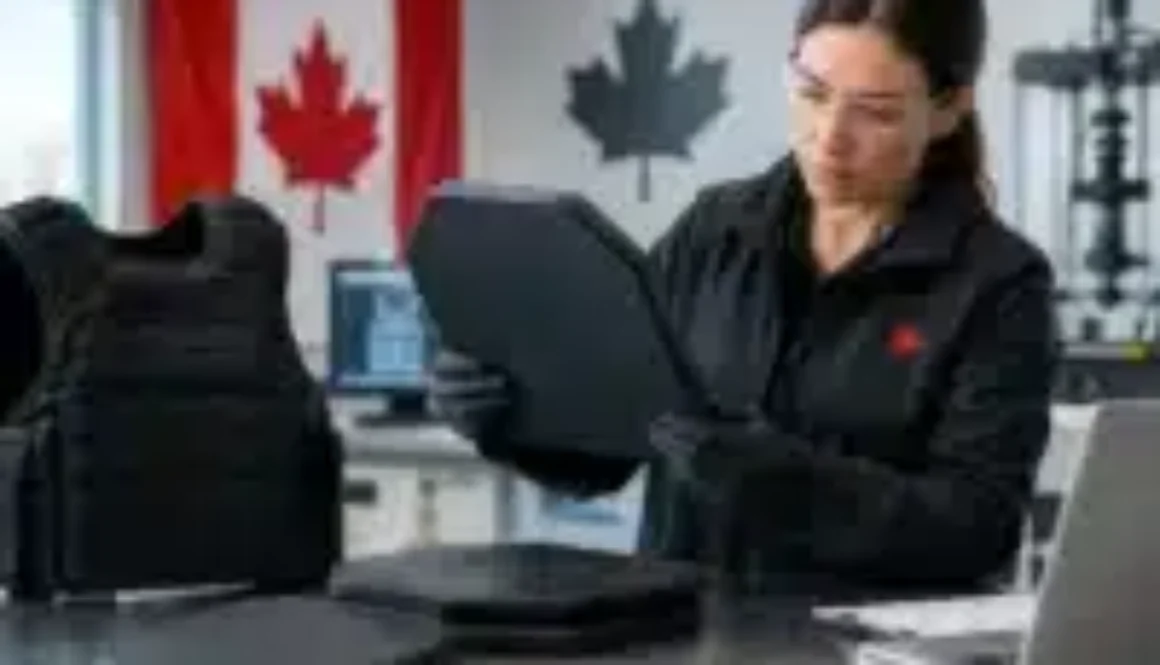
Finally, inspect the item in front of you. Certification documentation does not make damaged, altered, expired, or poorly fitted armor safe. Check labels, serial or lot identifiers, seams, covers, trauma pads, plate edges, strike faces, and closures. If a plate has been dropped, subjected to hard impact, exposed to prolonged heat or moisture, or shows cracking, delamination, swelling, or cover damage, remove it from service pending manufacturer guidance.
Questions Worth Asking Before You Issue or Wear Armor
When documentation is incomplete, ask direct questions before placing an order or issuing equipment:
- What exact standard and threat classification does this model meet?
- Is this specific model listed on the applicable NIJ Compliant Products List, where such listing is claimed?
- Is the plate stand-alone or in-conjunction, and what backing is required?
- Can the seller provide model-specific test information and product certificates?
- What is the production date, service-life policy, warranty, and incident-replacement process?
A professional supplier should be able to answer these questions without substituting vague terms such as military grade or tactical tested for a documented rating.
Read the Label, Not the Marketing Language
The armor label is an operational document. It should state the manufacturer, model, size, threat level or classification, care instructions, and warning language appropriate to the product. For hard armor, identify the strike face and wear direction before placing the plate in a carrier. Wearing a plate backward may place the protective construction in the wrong orientation.
Weight and thickness also deserve scrutiny. A lighter plate may improve mobility and reduce fatigue during long shifts, but weight savings can involve cost, profile, coverage, durability considerations, or a more limited threat profile. A heavier plate may offer a higher stated rifle classification, yet become difficult to wear consistently. Armor that remains in a locker because it is too heavy or poorly fitted is not a practical protection solution.
Fit is equally non-negotiable. A soft vest must provide appropriate torso coverage without riding up, shifting, or creating gaps during normal movement. Rifle plates should cover the vital area targeted by their intended plate size, while allowing a usable shoulder pocket and rifle presentation. Certification verifies performance of an armor product. It does not verify that the product fits the individual wearer.
Watch for Claims That Need More Proof
Be cautious when the seller provides only a ballistic video, a photograph of a shot plate, or a generic laboratory logo. A video may show that one sample stopped one projectile under uncontrolled conditions. It does not establish repeatable performance across production lots, environmental conditioning, backface deformation limits, or the complete test protocol required by a recognized standard.
The same caution applies to terms such as NIJ level tested, NIJ standard, or comparable to Level IV. These descriptions may indicate a performance claim, but they require context. Ask whether the product was tested to the full relevant protocol, whether the model is certified or merely independently tested, and whether the documentation applies to the current version being sold.
Avoid assuming that a carrier is ballistic because it accepts plates, or that a trauma pad adds rifle protection. A carrier provides retention and load carriage. A trauma pad may improve comfort and blunt-force management. Neither replaces a correctly rated ballistic panel or plate.
Certification Is Only One Part of Readiness
A body armor certification check should be part of a broader issue and inspection process. Maintain a record of the model, serial or lot number, issue date, care instructions, and inspection history. Store armor flat or according to manufacturer direction, away from extreme heat, direct sunlight, harsh chemicals, and unnecessary compression. Never modify panels, drill plates, paint strike faces, or add unapproved attachments that may affect the tested configuration.
For organizational buyers, standardize approved models where possible. Mixed inventory can create avoidable errors when plates, soft armor backers, and carriers look similar but have different requirements. Train users to identify their own equipment, understand its threat limitations, and report damage immediately.
The strongest purchasing decision is not the one with the boldest rating claim. It is the one supported by clear model-specific documentation, appropriate protection for the mission, correct fit, and a service plan that keeps the armor ready when it is needed most.