Body Armor Trade In Program Explained
Your vest may still look serviceable on the outside, but ballistic protection is not a category where appearance tells the full story. A body armor trade in program matters because armor has a service life, threat profiles change, and yesterday’s setup may no longer match today’s operational reality.
For law enforcement, private security, preparedness-minded civilians, and institutional buyers, replacement is not just a purchasing decision. It is a risk-management decision. If your current armor is aging out, fits poorly, lacks the right threat rating, or no longer supports your mission, a trade-in option can reduce the cost of upgrading while removing uncertainty about what to do with outdated equipment.
What a body armor trade in program actually does
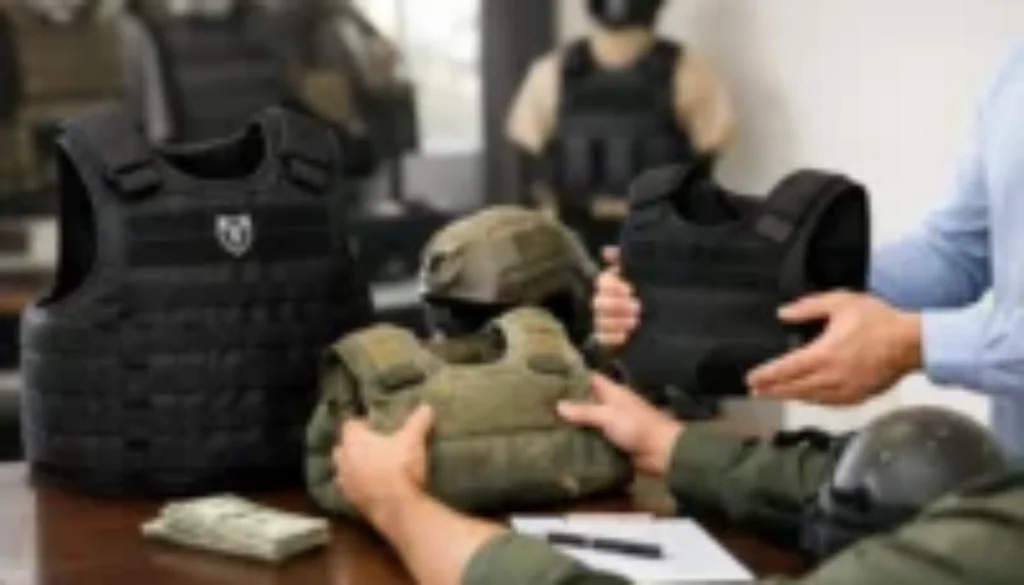
At its core, a body armor trade in program gives you a structured path to move out of old protective equipment and into a current solution. That usually means you submit details about your existing vest, plates, or carrier, the seller reviews eligibility, and approved trade-in value is applied toward a replacement purchase.
That sounds simple, but the real value is not only financial. A serious program also helps buyers reassess ballistic coverage, fit, weight, mobility, and certification requirements before they commit to new gear. In a category where the wrong purchase can leave coverage gaps, that guidance matters as much as the credit.
Trade-in programs are especially useful for buyers who purchased armor years ago and have not revisited the market since. Ballistic standards, carrier designs, plate shapes, and wear expectations evolve. So does your use case. A patrol setup is different from executive protection. Civil unrest readiness is different from daily concealed wear. The right replacement depends on what you are actually preparing for.
When it makes sense to use a body armor trade in program
The obvious trigger is age. Soft armor and hard armor should not be treated as indefinite assets just because they have seen limited use. Manufacturers provide service-life guidance for a reason, and that timeline should be taken seriously.
The second trigger is condition. If your armor has been exposed to heavy moisture, improper storage, repeated compression, physical damage, or hard field use, replacement should move up your priority list. Ballistic gear is life-saving equipment, not a product category where you stretch performance on hope.
The third trigger is mission change. Many buyers outgrow their original setup. A civilian who started with a basic concealable vest may later need rifle-rated plates and a load-bearing carrier. A security contractor may need lighter weight, better ventilation, or different coverage geometry for longer shifts. A department buyer may need to standardize equipment across a team. In each case, a trade-in program can turn a sunk cost into a more efficient upgrade.
What usually qualifies for trade-in
Eligibility depends on the seller, but most programs look at a few common factors. They want to know what type of armor you own, the manufacturer, the model, the approximate age, and its overall condition. Some may accept soft armor panels and carriers. Others may focus more heavily on plates, plate carriers, or complete systems.
Condition matters, but expectations should stay realistic. Trade-in is not the same as resale. A program exists to create a controlled upgrade path, not to pay top dollar for worn gear. Equipment that is damaged, modified, or missing critical components may have reduced value or may not qualify at all.
Documentation can help. If you still have labels, manufacturing dates, original specifications, or proof of purchase, the evaluation process is usually easier. That said, many buyers do not keep every record forever, especially on older duty gear. A well-run program should still be able to assess many common products based on clear photos and basic product information.
Why older armor can become the wrong armor
A lot of buyers assume the key question is whether armor can still stop a threat. That is only part of the equation. The better question is whether the armor remains the right protective system for your current exposure.
Ballistic level is one issue. If your setup was selected for handgun threats but your risk profile now includes rifle threats, your equipment may be functionally outdated even if it is technically intact. Coverage is another issue. Some older carriers and panel cuts can limit mobility or leave avoidable gaps compared with newer designs.
Weight and comfort matter too. If armor is too heavy, too bulky, or poorly fitted, compliance suffers. People remove gear, loosen it, or wear it incorrectly when it becomes a burden. In practical terms, uncomfortable armor can become ineffective armor because it is not being worn as intended.
How to evaluate whether trading in is better than keeping a backup set
There are cases where keeping older armor for training or contingency use may seem attractive. But this is where buyers need discipline. Protective gear is not like keeping an old flashlight in a drawer. If a backup set is beyond service-life guidance, improperly stored, or no longer aligned to real threats, it can create false confidence.
For agencies and professional users, the liability question is even sharper. Retaining obsolete protective equipment without a defined policy can introduce avoidable risk. For civilians, the issue is simpler but still serious: if you may rely on it under stress, it needs to be equipment you trust.
A trade-in program makes the most sense when you know your current setup is no longer your primary answer and you would rather convert it into immediate value toward a better one. It is a practical move, especially when you are already planning to buy new armor.
What to expect from the upgrade process
The strongest programs do more than quote a credit amount. They help you re-spec your protection. That means reviewing your threat level, your preferred wear style, whether you need covert or overt configuration, whether rifle plates are required, and how long the gear will be worn in a shift or incident.
This is also the right time to ask harder questions. Do you need NIJ III-A soft armor for everyday handgun protection, or are you moving into a plate-based setup with NIJ III or IV/RF capability? Do you need a lower-profile carrier for concealment, or a full overt platform with pouches and identification? Are side plates necessary for your role, or would they create mobility penalties you cannot afford?
There is no universal best answer. The correct replacement depends on threat, duration, movement, and environment. A good trade-in path should narrow those variables instead of overwhelming you with product volume.
Common mistakes buyers make with trade-ins
The first mistake is waiting too long. Buyers often postpone replacement because the old system still looks usable, or because replacing armor feels expensive. That delay can leave you wearing gear that is no longer the best match for your duty or preparedness plan.
The second mistake is focusing only on discount value. Cost matters, but this is still a performance purchase. If a trade-in credit pushes you toward the wrong platform, it is not a savings. It is just a cheaper mistake.
The third mistake is treating all armor as interchangeable. Soft armor, hard armor, stab-resistant systems, plate carriers, and integrated tactical setups solve different problems. Trade-in should be part of a better selection process, not a shortcut around it.
Why policy transparency matters
Any company offering a body armor trade in program should be clear about its criteria. Buyers should know what products qualify, how condition is assessed, whether trade-in value is fixed or variable, and what happens to turned-in equipment. Transparency builds trust, especially in a category where the consequences of poor communication are high.
For serious buyers, support matters almost as much as product. Clear ratings, certificate access, sizing help, and replacement guidance reduce decision friction. That is one reason programs offered by specialized protective-equipment manufacturers tend to carry more weight than generic resale arrangements. The conversation stays centered on protective performance, not just transaction value.
For example, a company like CANARMOR can frame a trade-in around operational fit, certification clarity, and upgrade urgency rather than simply moving inventory. That is the right approach for life-saving gear.
The real advantage of trading in now
The strongest reason to act is not that your current armor might have some residual value. It is that delaying an upgrade rarely improves your options. As equipment ages, condition questions multiply, resale usefulness drops, and you continue operating with a setup that may not reflect your current threat environment.
A body armor trade in program gives you a cleaner path forward. You reduce waste, offset part of the replacement cost, and move into equipment with current specifications, better fit, and a service life you can track from day one. That is a smarter position for any buyer who takes protection seriously.
If your armor is aging, mismatched to your role, or no longer something you would choose again today, that is your signal. Secure the protection that fits the mission you have now, not the one you had years ago.