Best Ballistic Plates for Civilians
A plate that stops a threat but slows you down, fits poorly, or rides in the wrong place is not the right plate. When civilians shop for the best ballistic plates for civilians, the real question is not which plate sounds toughest. It is which plate matches your threat profile, carrier setup, mobility needs, and willingness to wear it consistently.
For most civilian buyers, the mistake is buying to the highest advertised spec without thinking through weight, thickness, certification, or daily use. A home-defense setup, a vehicle kit, and a preparedness loadout do not all call for the same plate. Good protection starts with honest risk assessment, then moves into ballistic level, material, shape, and fit.
What makes the best ballistic plates for civilians?
The best plate is the one that gives you the right level of rifle protection without creating new problems. That means stopping credible threats while keeping weight manageable, maintaining acceptable comfort, and fitting your carrier and body correctly.
Civilians usually compare three things first: rating, material, and price. That is understandable, but it is incomplete. A low-cost steel plate may look attractive until you account for weight and fragmentation concerns. A premium ceramic or polyethylene plate may cost more up front, but it is often easier to wear for longer periods and faster to move in. In a real emergency, wearability matters as much as raw lab performance.
You should also separate marketing language from actual standards. Terms like tested, special threat, and multi-hit can mean useful things, but only if the manufacturer is clear about what was tested, to what protocol, and under what conditions. If those details are vague, treat the claim with caution.
Start with the right ballistic level
For civilian rifle protection, most buyers are deciding between Level III and Level IV style hard armor, or plates built for specific intermediate threats. The right choice depends on what you are preparing for.
Level III plates
Level III plates are generally selected for common rifle threats where lighter weight is a priority. They are often a practical choice for civilians who want better mobility, lower fatigue, and a more realistic setup for extended wear. If your concern is broad preparedness rather than a narrow worst-case scenario, Level III can be a rational middle ground.
The trade-off is simple. Lighter plates usually mean less capability against higher-penetration threats. If you are buying based purely on maximum protection, you may lean higher. If you know you need to move, train, or wear the system for hours, that extra weight becomes a serious factor.
Level IV plates
Level IV plates are built for higher rifle threat protection and are often the default choice for buyers who want the greatest commonly available standalone protection level. They make sense when your priority is stopping more severe armor-piercing style threats and you accept the penalties in weight, thickness, and cost.
That trade-off matters. Many civilian buyers purchase Level IV plates because they do not want to second-guess their protection later. That logic is valid, but only if the plate will still be worn when needed. A heavier plate left in a closet is not a better solution than a lighter plate you can actually stage, carry, and deploy.
Special threat plates
Some of the best ballistic plates for civilians are not traditional Level III or IV options at all. Special threat plates are designed around common modern rifle rounds with a focus on reducing weight and bulk. These can be attractive for prepared civilians, private security personnel, and vehicle-based kits where speed and comfort matter.
The key is transparency. A serious plate should clearly identify the rounds it is rated or tested against. Special threat does not mean lower quality. It means a narrower design objective. If that objective matches your realistic threat environment, it can be the smarter buy.
Material choice changes everything
Ceramic plates
Ceramic plates are popular for a reason. They offer strong ballistic performance and can provide high-level protection without the extreme weight of steel. For many civilians, ceramic represents the best balance between serious rifle protection and usable carry weight.
There are still trade-offs. Ceramic plates can be thicker than other options, and buyers should handle them responsibly. Quality construction and proper plate wrapping matter. This is why buying from a reputable manufacturer or retailer is critical in this category.
Polyethylene plates
Polyethylene plates stand out for low weight. If mobility is your top concern, they are often worth a hard look. They are especially attractive for civilians who want a more wearable setup for rapid movement, evacuation, or long periods in a carrier.
The downside is that some polyethylene plates are limited in the threat types they stop compared with heavier alternatives. Heat sensitivity and ballistic limitations should also be reviewed carefully depending on the model. Light weight is a major advantage, but not if it comes at the expense of the specific threats you are trying to address.
Steel plates
Steel plates still appear in the market because they are durable and often priced aggressively. For civilians, though, steel is rarely the best answer when modern ceramic and polyethylene options are available. Weight is the main problem. Steel becomes exhausting fast, especially in a front-and-back setup.
There is also the issue of spall and fragmentation management. Even with coatings or build-ups, steel introduces concerns that many serious buyers prefer to avoid. For range use or very narrow applications, some still consider it. For practical civilian defensive use, it is usually a compromise in the wrong direction.
Fit and shape are not secondary details
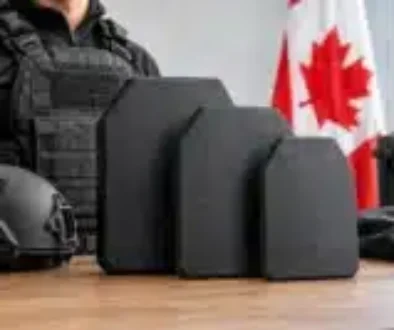
A high-rated plate that does not fit your torso properly leaves coverage gaps and reduces comfort. The plate should protect vital areas without impeding shoulder movement, seated posture, or weapon presentation. That is why sizing matters just as much as the ballistic rating.
Shooter cut and swimmer cut plates improve arm movement and can make a carrier feel less restrictive. Standard cuts may provide a bit more coverage. Which one is best depends on whether your priority is mobility or maximum surface area. Most civilians using a rifle-compatible carrier prefer a cut that supports shouldering and movement rather than chasing a small increase in edge coverage.
Carrier compatibility matters too. Plates must match the pocket dimensions and intended thickness of the carrier. A poor fit inside the carrier can shift during movement, print awkwardly, or sit at the wrong height. This is not just a comfort issue. It affects performance.
What civilians should actually prioritize
If you want a practical buying framework, start by asking where the armor will live and how it will be used. A vehicle kit benefits from lighter weight and fast access. A home-defense setup may tolerate more weight because wear time is shorter. A preparedness kit for uncertain conditions usually rewards balanced performance over maximum spec chasing.
Most informed civilian buyers should prioritize verified ballistic performance, manageable weight, correct sizing, and a trusted source over bargain pricing. Documentation matters. Certifications, test data, warranty terms, and replacement policies all reduce risk in a category where failure is unacceptable.
That is where established specialist suppliers separate themselves from general gear sellers. If a company can explain ratings clearly, provide support on fitment, and stand behind the product with real policy transparency, that has value. CANARMOR, for example, has built its reputation around that kind of direct, standards-based guidance for serious buyers.
Legal and practical buying considerations
In most of the United States, civilians can legally purchase body armor, but state and local restrictions can differ. Buyers should verify the rules in their jurisdiction before placing an order. That step is simple, and it prevents unnecessary delays or compliance issues.
You should also think about storage, inspection, and service life. Plates should be kept according to manufacturer guidance, protected from unnecessary abuse, and checked periodically for visible damage or compromised covers. Armor is not a casual purchase. It is emergency equipment. Treat it that way.
The best ballistic plates for civilians depend on use, not hype
If your goal is all-around preparedness, a quality ceramic or special threat plate often makes the most sense because it balances protection with wearability. If your priority is maximum rifle protection and you accept more weight, Level IV is a strong option. If your mission demands the lightest possible setup, polyethylene may be worth the premium, provided the threat profile lines up.
The wrong way to buy plates is emotionally, based on fear or the biggest claim on the product page. The right way is operationally – identify the threat, select the rating, confirm the fit, and buy from a source that can prove what it sells. Protection works best when the system is built for real use, not just reassurance on paper.
Secure the plate you can trust, the carrier you can wear, and the setup you will actually deploy when seconds matter.