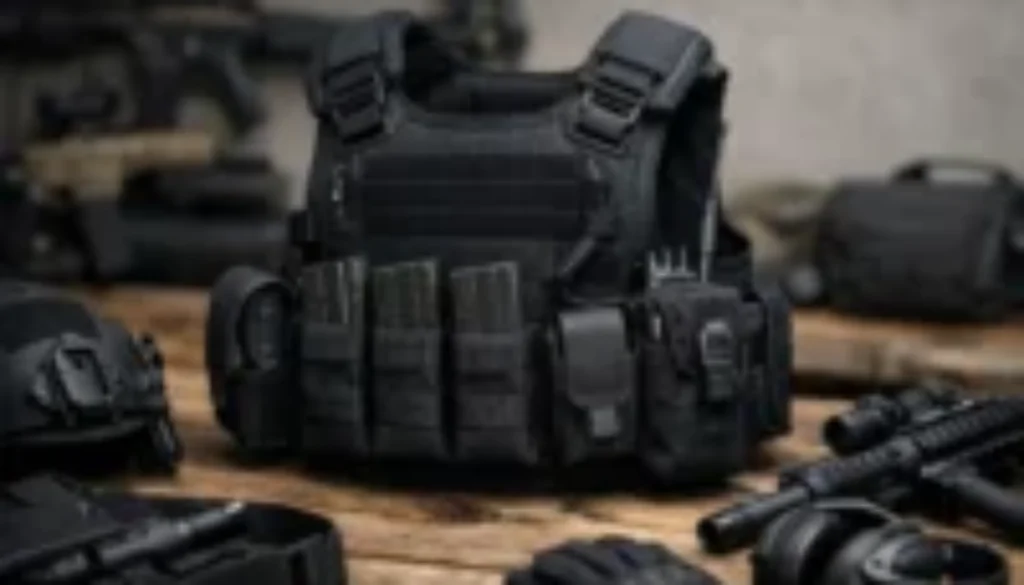
Overt Tactical Vest Setup That Works
An overt tactical vest setup fails fast when it looks impressive on a table but fights your movement, blocks access to gear, or adds weight you cannot sustain for a full shift. The right setup is not about packing every available row of MOLLE. It is about building around threat level, mission duration, vehicle time, medical access, and repeatable weapon handling under stress.
For patrol, private security, executive protection, prepared civilians, and high-risk site teams, overt carriers solve a specific problem. They let you scale protection and equipment externally, identify yourself clearly when required, and access mission-critical tools without digging through belt line clutter. That flexibility is useful, but it also creates bad habits. The most common one is treating the vest like storage instead of armor.
What an overt tactical vest setup is supposed to do
An overt carrier starts with protection, not accessories. Its first job is to position soft armor and or plates where they actually cover vital anatomy. Its second job is to support your immediate action gear without compromising mobility, shoulder weld, prone work, or emergency medical care.
That means your loadout has to match your assignment. A law enforcement officer working vehicle-based patrol does not need the same front panel layout as a static security guard, and neither should copy a military assault configuration just because it is common online. Good setup work is role-specific. If your equipment list does not reflect likely tasks and realistic duration, the vest will become heavier, slower, and harder to wear correctly.
Start with fit before you mount anything
A poor fit cannot be fixed with better pouches. The carrier should ride high enough to protect the upper chest and major organs without choking your neck or limiting shoulder movement. If you are running rifle plates, the top edge generally belongs at the suprasternal notch area. If it rides too low, coverage is lost where it matters most. If it rides too high, your range of motion and comfort collapse.
Cummerbund tension matters just as much. Too loose, and the carrier shifts when you run, kneel, or enter and exit vehicles. Too tight, and breathing becomes work before your actual work begins. You want a secure, stable fit that keeps armor where it belongs while still allowing deep breathing and efficient movement.
Sizing errors are common because many buyers think bigger equals safer. It does not. Armor should cover vital zones, not your entire torso. Oversized panels and plates increase weight, trap heat, and interfere with pistol draw, bending, and shoulder presentation. Practical protection beats theoretical coverage every time.
Build the vest around priorities, not empty space
Once the carrier fits correctly, build the overt tactical vest setup in order of priority. Protection comes first. Then medical. Then magazines or role-specific ammunition carriage. Then communications and utility items. If something does not support the mission or the immediate emergency response window, it probably belongs elsewhere.
Your front panel should stay as clean as your role allows. Thick stacks of pouches on the centerline make prone shooting worse, push the rifle farther off the body, and create problems in vehicles. They also increase fatigue over long wear periods. For many users, a slim rifle magazine arrangement or a low-profile admin solution is enough up front.
The sides and cummerbund should carry only what you can access consistently and what does not interfere with arm swing or seated work. Side plates may be justified for elevated rifle threats, but they come with a movement and weight penalty. That trade-off matters. If your environment, threat profile, and policy do not support the added burden, adding them just to fill the carrier is poor setup discipline.
Front, side, and rear placement
Front of the vest
Keep the front focused on what you may need with either hand and what you can still use under stress. Magazine placement should not obstruct your pistol draw or force exaggerated shoulder lift. Medical gear mounted front and center can work if it stays flat and is accessible with either hand, but many users are better served by placing an IFAK slightly off-center or on the belt, depending on role and policy.
Avoid bulky general-purpose pouches on the upper chest. They increase profile, snag more often, and can push binoculars, slings, or long guns into awkward positions. If you need admin storage, keep it minimal. Maps, gloves, a marker, and a notepad are reasonable. Half your daily carry inventory is not.
Sides and cummerbund
The cummerbund is valuable space, but only if you can reach it cleanly. Radios, side plates, and soft side armor all compete for that area. If you mount a radio, test it while seated, kneeling, and working around a vehicle door. If the antenna catches constantly or the body of the radio digs into your ribs, move it.
For medical, side mounting can be excellent if you train to reach it with either hand. For magazines, side placement is workable for secondary reloads but usually slower than front access. Be honest about your likely use. Not every pouch needs to be a speed pouch.
Rear of the vest
The back panel is often overbuilt. If you are not part of a team that can access your rear-mounted gear, the utility is limited. Hydration, breaching support, or team-specific tools make sense in some environments. A general dump pouch, random admin storage, or equipment you need to reach yourself does not.
If identification is part of your role, the rear is also where clear, visible labeling matters. Overt means visible. If your mission benefits from instant recognition, do not treat identifiers as optional decoration.
Weight management is part of survivability
A vest that protects well for ten minutes but degrades your speed, awareness, and endurance for six hours is not optimized. Weight compounds quickly. Plates, ammunition, radio, medical, cuffs, lights, batteries, and hydration all add up. The answer is not to remove essential equipment. The answer is to assign it intelligently across the vest, belt, and other carry points.
If your belt is already overloaded, the vest may need to pick up some tasks. If your vest is becoming front-heavy, move non-critical items off the chest. There is no perfect universal split. It depends on whether you are working from a vehicle, standing static posts, moving on foot, or operating in crowded environments where snag hazards matter more.
Hard armor selection affects all of this. NIJ-rated soft armor, rifle plates, and combinations of the two change heat load, profile, and fatigue dramatically. Buyers should look at the actual threat environment first, then match the armor package to that need. More protection is not automatically better if the setup becomes so burdensome that it reduces performance where decisions and movement matter most.
Common mistakes that ruin a good setup
The first mistake is copying a social media loadout without matching the job. The second is placing gear where it looks organized instead of where it can be reached under pressure. The third is ignoring dry drills and live movement tests after setup.
Another recurring problem is poor medical placement. If your IFAK cannot be reached with either hand, it is not set up correctly. The same logic applies to tourniquet access. A life-saving item buried under layers of admin storage is not truly carried.
There is also a tendency to confuse overt with oversized. A carrier does not need to be huge to be effective. A well-fitted, properly rated vest with disciplined pouch selection is usually superior to a bulky setup loaded for situations that are unlikely to occur.
How to pressure-test your overt tactical vest setup
After assembly, wear it in the positions you actually work in. Sit in your vehicle. Exit quickly. Shoulder your long gun. Draw your handgun. Go prone if your role permits it. Climb stairs. Bend, kneel, and use your radio. If any item jams movement, blocks access, or shifts excessively, fix it now, not after deployment.
Then look at retention and durability. Pouches should hold equipment securely without requiring a wrestling match to access it. Fasteners, elastic retention, cummerbund closures, and shoulder straps should stay stable during repeated movement. This is where professionally built carriers and verified armor packages earn their value. Certification, documentation, and clear ballistic ratings matter because your setup is only as credible as the protection inside it.
For buyers sorting through options, this is where a manufacturer-focused source has an advantage. CANARMOR, for example, builds around certified protection, practical fit guidance, and clear threat-level framing instead of vague marketing language. That matters when the purchase is tied to personal safety, agency policy, or duty use.
A strong overt vest setup is not the one with the most gear attached. It is the one you can wear correctly, fight in, move in, and trust when the situation turns real. Build for the threat, test for the task, and keep every ounce accountable.